
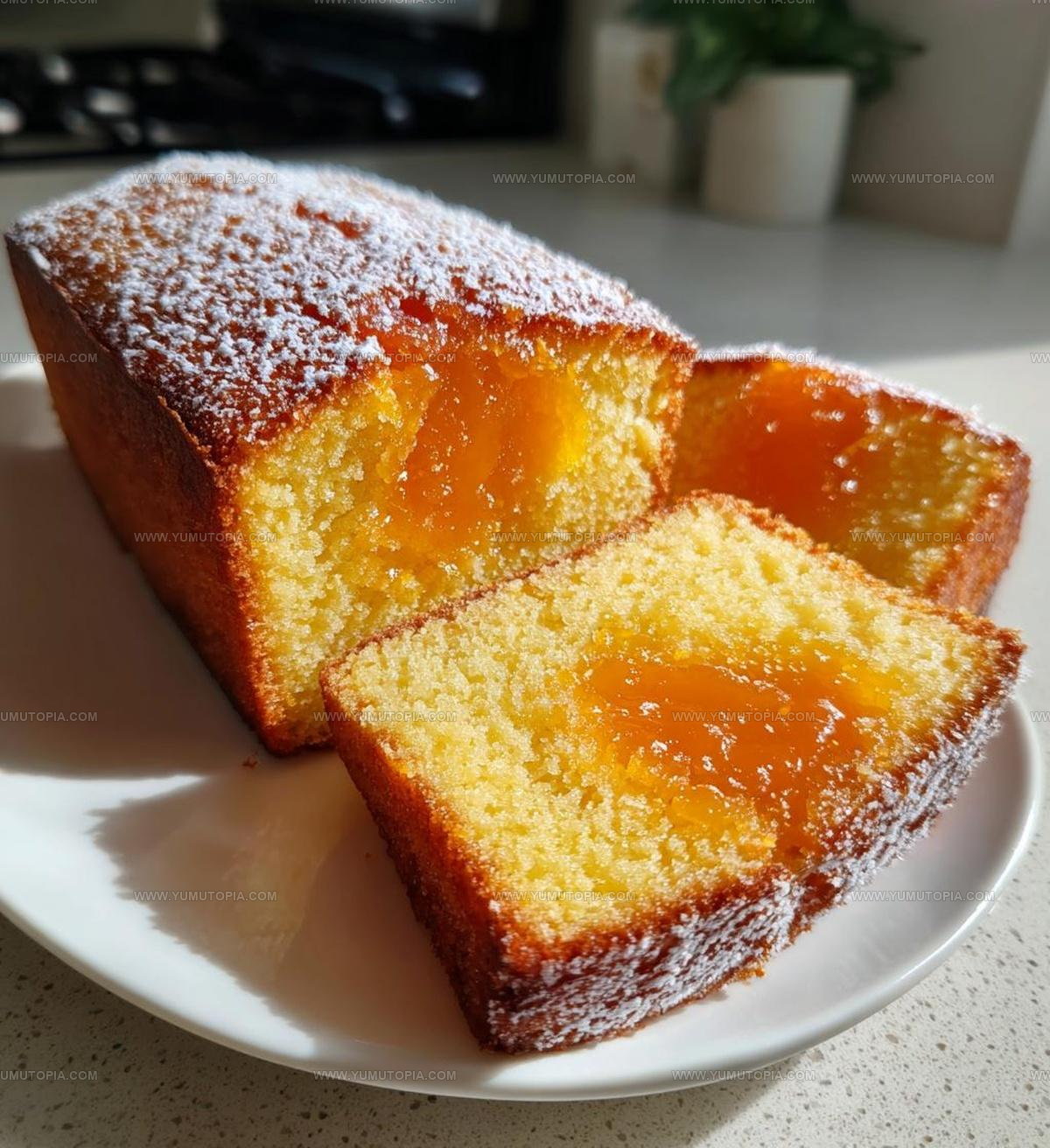
Apricot Cake Recipe with Golden Fruit and Tender Crumb

Apricot cake puts sunshine to any table with its naturally sweet flavor and moist, tender crumb that feels like a warm hug in dessert form.
Baking season deserves something special, and few treats deliver quite the same balance of elegance and comfort as a homemade cake featuring stone fruit at its finest.
Whether served at brunch gatherings or as an afternoon treat with coffee, it strikes that perfect note between casual and celebratory.
The golden color alone makes it visually stunning on a dessert plate, while the flavor profile appeals to anyone who appreciates fruit-forward sweets without overwhelming richness.
Best of all, it comes together more easily than you might expect, making it accessible for weeknight baking or weekend entertaining.
Once you take that first bite, the combination of soft texture and fruity sweetness creates a memorable eating experience.
Time to head to the kitchen and see just how delightful homemade baking can be.
Why You’ll Love Apricot Cake
Full Ingredient Breakdown for Apricot Cake
Main Ingredients:Fruit Component:Binding Ingredients:Leavening Agents:What Tools Bake Apricot Cake
Baking Instructions for Apricot Cake
Prepare Oven and Pan
Heat the oven to exactly 350°F. Grab a 9-inch round cake pan and coat it thoroughly with butter, then dust with a light layer of flour so the cake won’t stick.
Cream Butter and Sugar
Grab a mixing bowl and blend 1/2 cup softened butter with 1 cup sugar. Whip these together until the mixture looks pale and feels super smooth, about 3 minutes with an electric mixer.
Add Eggs
Crack 3 eggs into the butter mixture one at a time. Stir each egg completely before adding the next, making sure everything blends smoothly.
Mix Wet Ingredients
Pour in 1 cup apricot puree and 1 teaspoon vanilla extract. Stir these into the egg mixture until everything looks well combined.
Combine Dry Ingredients
In a separate bowl, mix your dry ingredients:
Whisk these together until they’re evenly distributed.
Combine Wet and Dry Mixtures
Slowly add the dry ingredient mixture into your wet ingredients. Stir gently until everything just comes together – don’t overmix.
Prepare for Baking
Pour the batter into your prepared cake pan, spreading it evenly across the surface.
Bake the Cake
Slide the pan into the preheated 350°F oven. Bake for exactly 32 minutes, then check with a toothpick. If it comes out clean, the cake is done.
Cool and Serve
Let the cake rest in the pan for 10 minutes, then turn it out onto a cooling rack. Wait until it’s completely cool before slicing and serving.
Cooking Know-How for Apricot Cake
Apricot Cake Variations Sweet and Simple
How to Serve Apricot Cake
How to Store Apricot Cake
Apricot Cake Baking Q&A
Why do some apricot cakes turn out dry?
The secret is not overmixing the batter and checking your cake early. Overmixing develops gluten, which makes cake tough, and baking too long dries out the crumb.
Can fresh or canned apricots work best?
Fresh apricots provide brighter flavor, but canned work perfectly when fresh aren’t available. Just drain them well before pureeing.
How ripe should apricots be for this cake?
Select slightly soft apricots with deep golden-orange color. They’ll have the most intense sweet-tart flavor for your cake.
What makes this cake’s texture so tender?
The combination of butter, eggs, and apricot puree creates a soft, moist crumb that melts in your mouth.
Can this cake be made gluten-free?
Absolutely! Swap regular flour with a good quality gluten-free blend to create the same delicious result.
How do professionals get such a perfect cake rise?
Always use fresh baking powder, measure ingredients precisely, and avoid opening the oven door during baking.
Apricot Cake Recipe
- Total Time: 45-50 minutes
- Yield: 8 1x
Description
Whipping up this apricot cake brings pure joy to weekend baking adventures. Seasonal fruit and simple ingredients come together for a delicious treat that’ll make your family smile.
Ingredients
Main Ingredients:
- 1 cup apricot puree
- 3 eggs
- ½ cup butter, softened
Dry Ingredients:
- 2 cups all-purpose flour
- 1 cup sugar
- 1 teaspoon baking powder
- ½ teaspoon baking soda
- ¼ teaspoon salt
Flavor Enhancers:
- 1 teaspoon vanilla extract
Instructions
- Warm your oven to 350°F and coat a 9-inch round cake pan with butter and flour, ensuring every surface is thoroughly covered.
- In a large mixing bowl, whip ½ cup softened butter with 1 cup sugar until the mixture becomes airy and pale, about 3 minutes using an electric mixer.
- Crack 3 eggs into the butter mixture, incorporating them one at a time and beating thoroughly after each addition to create a smooth, cohesive batter.
- Fold 1 cup apricot puree and 1 teaspoon vanilla extract into the creamy mixture, stirring until completely integrated.
- In a separate bowl, sift together 2 cups all-purpose flour, 1 teaspoon baking powder, ½ teaspoon baking soda, and ¼ teaspoon salt to remove any potential lumps.
- Gradually introduce the dry ingredients into the wet mixture, stirring gently to maintain the batter’s lightness and prevent overmixing.
- Transfer the entire batter into your prepared cake pan, smoothing the top with a spatula to create an even surface.
- Place the pan in the preheated oven and bake for 35 minutes, checking doneness by inserting a toothpick into the center – it should emerge clean and dry.
- Remove the cake from the oven and let it rest for 15 minutes, allowing it to cool completely before slicing and serving.
Notes
- Fresh, ripe apricots make the biggest difference in flavor, so choose soft, fragrant fruits for the best results.
- Drain apricot puree well to prevent excess moisture from affecting the cake’s texture and baking time.
- For a gluten-free version, swap regular flour with a cup-for-cup gluten-free flour blend and add an extra egg for binding.
- Serve the cake slightly warm with a dollop of whipped cream or a sprinkle of powdered sugar to enhance the apricot’s natural sweetness.
- Prep Time: 15 minutes
- Cook Time: 30-35 minutes
- Category: Cakes
- Method: Baking
- Cuisine: American
Nutrition
- Serving Size: 8
- Calories: 271 kcal
- Sugar: 24 g
- Sodium: 143 mg
- Fat: 11 g
- Saturated Fat: 6 g
- Unsaturated Fat: 4 g
- Trans Fat: 0.5 g
- Carbohydrates: 37 g
- Fiber: 1 g
- Protein: 4 g
- Cholesterol: 70 mg
Madison Wyman
Recipe Developer & Food Storyteller
Expertise
Recipe Research and Adaptation, Food Writing and Cultural Storytelling, Sustainable and Ethical Sourcing, Dietary Adaptations (e.g., gluten-free, plant-based)
Education
Oregon Health & Science University
Portland Community College
Madison’s passion for flavor and culture ignited amidst the rich Southern cooking traditions of her upbringing, where cherished family recipes told delicious tales.
Armed with a Master’s in Food Systems and Society from Oregon Health & Science University and a Culinary Arts Certificate from Portland Community College, Madison truly excels at transforming rich, intricate flavors into dishes that are both approachable and heartfelt.
For her, cooking is a vibrant blend of science, art, and heritage – a powerful way to connect us to our roots and each other. Her recipes invite you to delve deeper, uncovering the fascinating stories woven into every ingredient.