
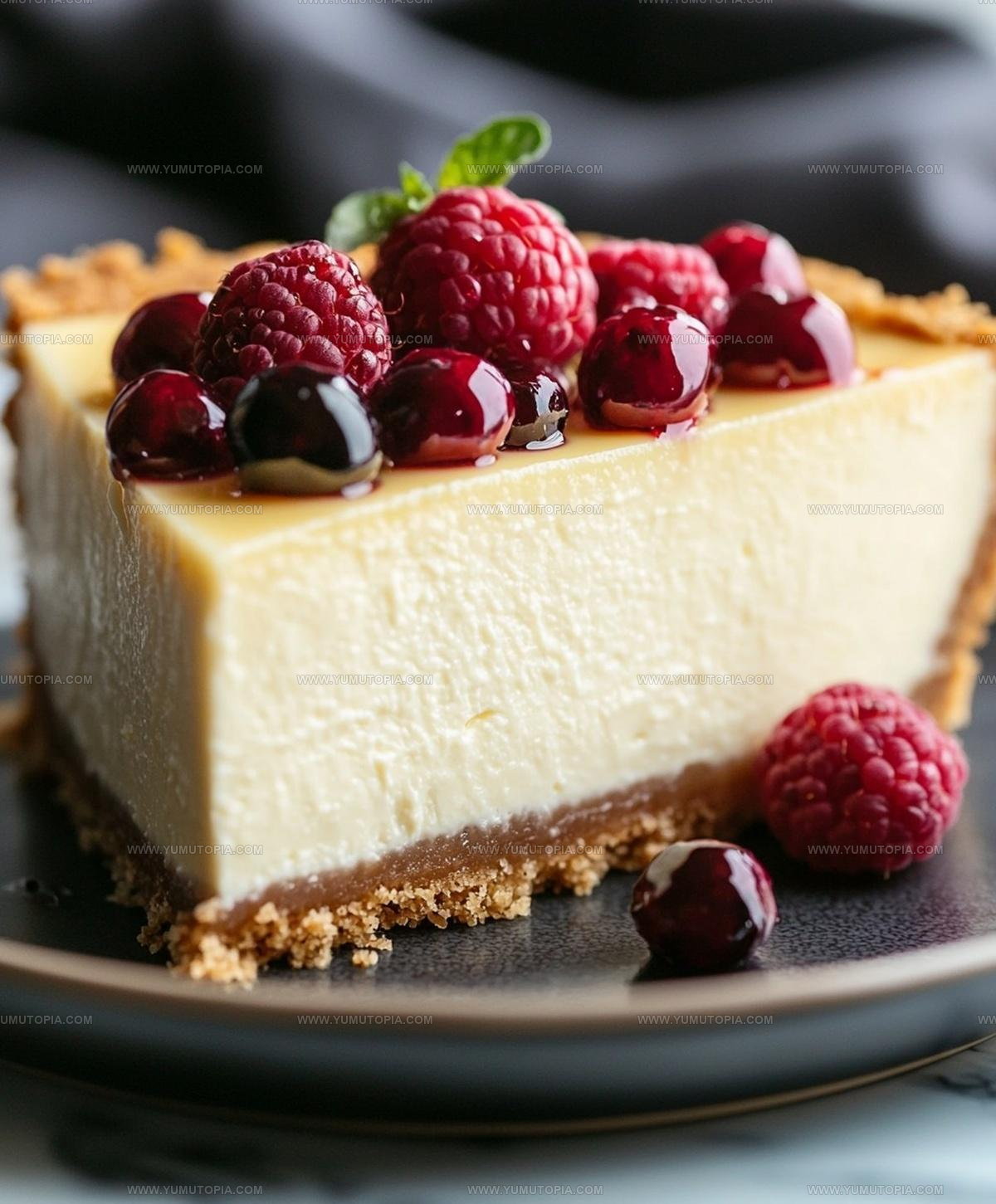
Classic Cheesecake Recipe For Silky Smooth Dessert

Creamy, smooth, and utterly satisfying, the best cheesecake recipe delivers everything you could want in a dessert that feels both special and comforting.
There’s something magical about that velvety texture paired with a buttery crust that makes every bite memorable.
Whether serving it at celebrations or enjoying a quiet evening treat, this dessert never fails to impress.
Everyone at the table will appreciate how professional and bakery-worthy it looks without requiring fancy equipment or complicated techniques.
Get in the kitchen and see why this timeless favorite has earned its place as a beloved staple.
Best Reasons to Bake the Best Cheesecake Recipe
Full Ingredient List for Best Cheesecake
Crust Ingredients:Cheesecake Filling Ingredients:Topping Ingredients:Tools That Support Classic Cheesecake
How to Make the Best Cheesecake Smoothly
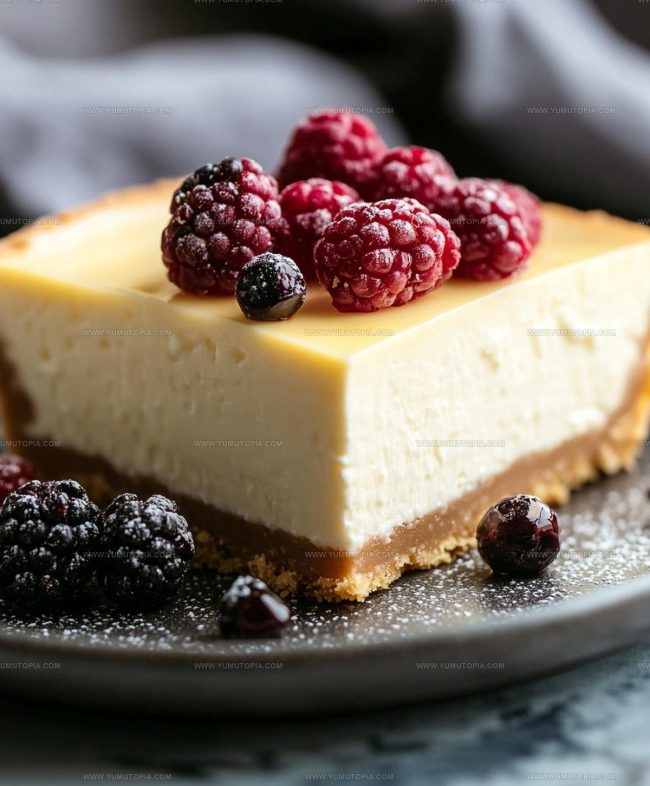
Prepare Graham Cracker Crust
Preheat your oven to 350F. Grab a bowl and mix together 1 1/2 cups graham cracker crumbs with:
Press this mixture firmly into the bottom of a 9-inch springform pan, pushing it slightly up the sides. Bake for 8-10 minutes until it turns a light golden brown. Let the crust cool completely before moving forward.
Cream the Cheese
Grab your electric mixer and beat 32 ounces of softened cream cheese until it’s super smooth, about 2-3 minutes. Add the sugar gradually while mixing, making sure to scrape down the bowl’s sides.
Complete Cheesecake Base
Stir in 2 teaspoons vanilla extract and 1/2 teaspoon lemon zest. Add 4 large room temperature eggs one at a time, mixing gently after each. Pour in 3/4 cup heavy cream and mix just until combined.
Prepare Water Bath
Wrap the bottom of your springform pan with two layers of heavy-duty aluminum foil. Place the wrapped pan inside a larger roasting pan.
Ready for Baking
Pour the cheesecake mixture into the cooled crust. Carefully add hot water to the roasting pan, filling it about halfway up the springform pan’s sides.
Initial Bake
Bake at 350F for 55-70 minutes. The edges should look set, but the center should still wiggle slightly when you move the pan.
Cooling in Oven
Turn off the oven and crack the door open. Let the cheesecake rest inside for 1 hour.
Sour Cream Topping
Whisk together in a small bowl:
Spread this mixture evenly over the cooled cheesecake.
Final Bake and Chill
Bake the topping for 5 minutes at 350F. Cool the cheesecake completely on a wire rack, then cover with plastic wrap and refrigerate for at least 6 hours.
Serve
Before serving, run a thin knife around the pan’s edge. Release the springform sides and transfer to a serving plate. Slice and enjoy your creamy creation!
Key Notes Behind a Truly Great Cheesecake
Which Cheesecake Variations Change the Texture
Simple Serving Ideas for Classic Cheesecake
How to Store Cheesecake for Best Texture?
Best Cheesecake Recipe Reader FAQs
Why does the recipe call for a water bath?
The water bath helps prevent cracks and ensures even baking by creating a moist environment that protects your cheesecake from direct, harsh heat.
Can I skip the sour cream topping?
Absolutely! The sour cream topping is optional and won’t affect the overall texture or taste of your cheesecake if you choose to omit it.
How do I know when the cheesecake is perfectly baked?
Look for set edges with a slight jiggle in the center. The cheesecake should look soft but not liquid when gently shaken.
What if my cream cheese isn’t completely smooth?
Make sure your cream cheese is at room temperature and beat it thoroughly before adding other ingredients to avoid lumps.
How can I prevent my cheesecake from cracking?
Use room temperature ingredients, avoid overmixing, and bake in a water bath to minimize the risk of surface cracks.
Can I freeze this cheesecake?
Yes, wrap it tightly in plastic wrap and aluminum foil. Freeze for up to 2 months, then thaw overnight in the refrigerator.
Best Cheesecake Recipe
- Total Time: 6 hours 78 minutes to overnight
- Yield: 8 1x
Description
Cheesecake brings pure creamy comfort straight from your oven to the table. Smooth cream cheese and buttery graham cracker crust create a classic dessert that feels like a warm hug on your favorite plate.
Ingredients
Main Ingredients:
- 32 ounces cream cheese
- 4 large eggs
- 1 ¾ cups granulated sugar
- ¾ cup heavy cream
- 1 cup sour cream
Crust Ingredients:
- 1 ½ cups graham cracker crumbs
- 5 tablespoons unsalted butter
- ¼ cup granulated sugar
Flavoring Ingredients:
- 2 teaspoons vanilla extract
- ½ teaspoon lemon zest
- 2 tablespoons granulated sugar
- 1 pinch salt
Instructions
- Crush 12 full graham cracker sheets into fine crumbs. Mix 1½ cups crumbs with 5 tablespoons melted butter, ¼ cup sugar, and a pinch of salt in a medium bowl.
- Press the graham cracker mixture firmly into the bottom of a 9-inch springform pan, slightly pushing up the sides. Create an even, compact layer.
- Preheat the oven to 350°F. Bake the crust for 8-10 minutes until it turns a light golden brown. Remove and let the crust cool completely.
- In a large mixing bowl, beat 32 ounces room temperature cream cheese with an electric mixer for 2-3 minutes until completely smooth.
- Gradually add 1¾ cups sugar to the cream cheese, beating until fully incorporated. Scrape down the bowl’s sides as you mix.
- Mix in 2 teaspoons vanilla extract and ½ teaspoon lemon zest until combined. Ensure the flavors are evenly distributed.
- Add 4 large room temperature eggs one at a time, mixing gently after each addition. Avoid overmixing the batter.
- Slowly pour in ¾ cup heavy cream and blend until the mixture is just combined and uniform.
- Wrap the springform pan’s bottom with two layers of heavy-duty aluminum foil. Place the wrapped pan inside a larger roasting pan.
- Pour the cheesecake filling into the cooled crust. Carefully add hot water to the roasting pan, filling it halfway up the springform pan’s sides.
- Bake at 350°F for 55-70 minutes. The edges should be set, with a slight jiggle remaining in the center.
- Turn off the oven, crack the door open, and let the cheesecake rest inside for 1 hour.
- Remove the cheesecake from the water bath and cool completely on a wire rack.
- Whisk 1 cup sour cream with 2 tablespoons sugar and 1 teaspoon vanilla extract until smooth.
- Spread the sour cream topping evenly over the cooled cheesecake. Bake for an additional 5 minutes at 350°F.
- Cool the cheesecake completely on a wire rack. Cover with plastic wrap and refrigerate for at least 6 hours.
- Before serving, run a thin knife around the pan’s edge. Release the springform sides and carefully remove the cheesecake.
- Slice and serve, adding any desired garnishes to make the presentation special.
Notes
- Wrap the springform pan carefully to prevent water from seeping into the crust during the water bath baking method.
- Room temperature ingredients are crucial for creating a smooth, lump-free cheesecake filling that blends perfectly.
- Avoid overmixing the batter, which can introduce too much air and cause cracking during baking.
- For a gluten-free version, swap graham cracker crumbs with almond flour or gluten-free cookie crumbs to maintain the classic texture.
- Prep Time: 10-15 minutes
- Cook Time: 1 hour 8 minutes – 1 hour 25 minutes
- Category: Cheesecakes
- Method: Baking
- Cuisine: American
Nutrition
- Serving Size: 8
- Calories: 533 kcal
- Sugar: 40 g
- Sodium: 215 mg
- Fat: 39 g
- Saturated Fat: 23 g
- Unsaturated Fat: 14 g
- Trans Fat: 0.5 g
- Carbohydrates: 33 g
- Fiber: 1 g
- Protein: 8 g
- Cholesterol: 150 mg
Madison Wyman
Recipe Developer & Food Storyteller
Expertise
Recipe Research and Adaptation, Food Writing and Cultural Storytelling, Sustainable and Ethical Sourcing, Dietary Adaptations (e.g., gluten-free, plant-based)
Education
Oregon Health & Science University
Portland Community College
Madison’s passion for flavor and culture ignited amidst the rich Southern cooking traditions of her upbringing, where cherished family recipes told delicious tales.
Armed with a Master’s in Food Systems and Society from Oregon Health & Science University and a Culinary Arts Certificate from Portland Community College, Madison truly excels at transforming rich, intricate flavors into dishes that are both approachable and heartfelt.
For her, cooking is a vibrant blend of science, art, and heritage – a powerful way to connect us to our roots and each other. Her recipes invite you to delve deeper, uncovering the fascinating stories woven into every ingredient.