
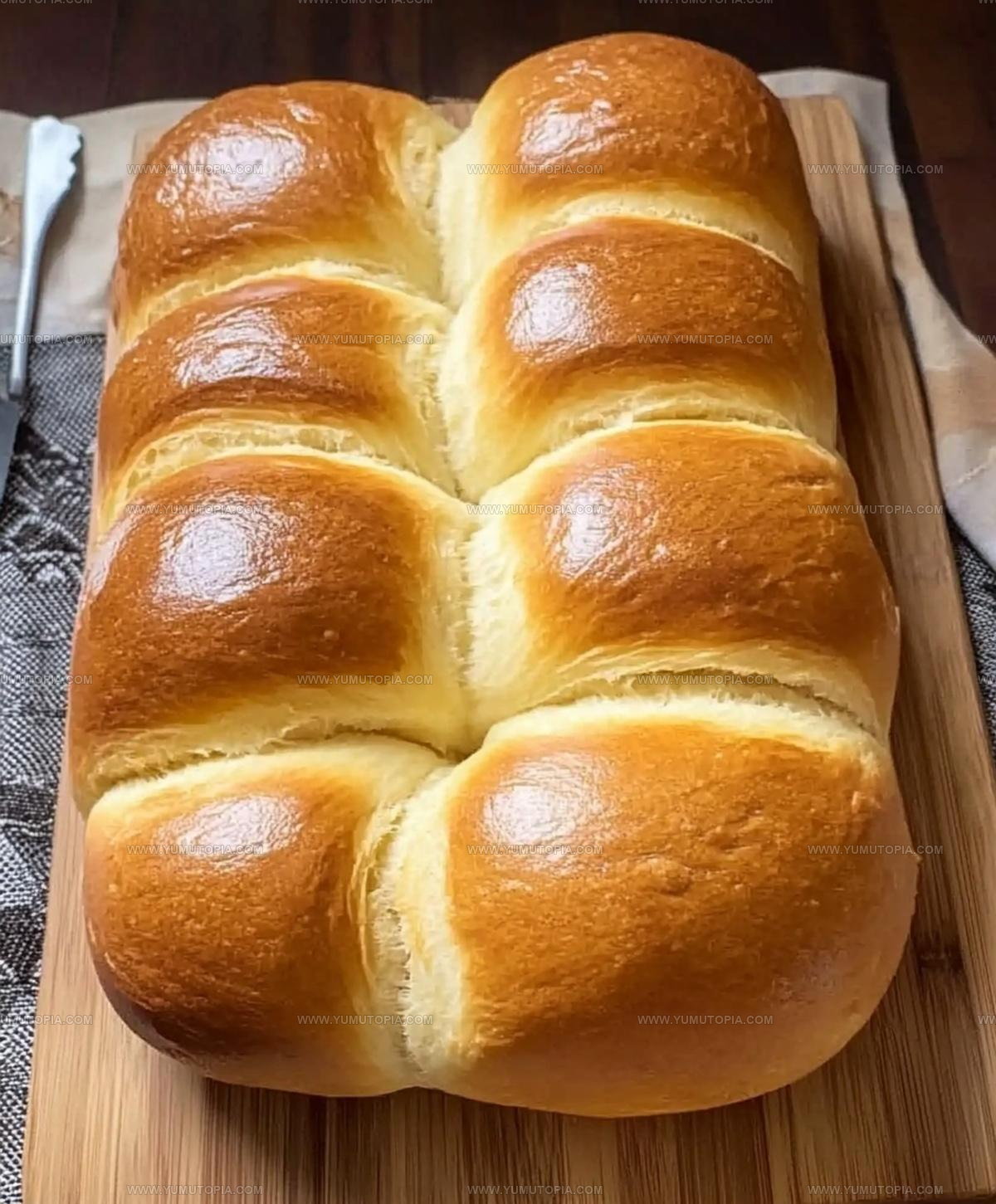
Buttery Brioche Bread Recipe To Make At Home

Brioche bread recipe enthusiasts know that few baked goods can match the luxurious softness and rich flavor of homemade loaves straight from the oven.
French bakers have perfected this classic over centuries, creating something that works beautifully for breakfast, sandwiches, or dessert applications.
The golden-brown exterior gives way to a tender, cloud-like interior that melts in the mouth with every bite.
Baking at home fills the kitchen with an aroma so enticing that neighbors might come knocking at the door.
While many bakeries charge premium prices for quality loaves, making them from scratch costs a fraction of the price and tastes infinitely better.
The process requires patience but rewards home bakers with a sense of accomplishment and bragging rights at any brunch gathering.
Once you master the technique, there’s no going back to store-bought versions that pale in comparison.
Best Reasons to Bake Homemade Brioche Bread
Complete Ingredients for Brioche Bread
Wet Ingredients:Dry Ingredients:Fat and Seasoning:Best Tools for Brioche Bread
Preparing Soft and Buttery Brioche Bread
Activate the Yeast
Grab your stand mixer and pour in 1/2 cup whole milk warmed to 110°F. Sprinkle 3 tablespoons granulated sugar and 2 1/4 teaspoons active dry yeast into the milk. Stir gently and let it sit for about 5 minutes until the mixture gets foamy and fragrant.
Mix the Wet Ingredients
Crack 2 large eggs into the yeast mixture. Beat the ingredients together on low speed until everything combines smoothly. Your dough will start to look slightly soupy and golden.
Add the Flour
Measure out 3 1/2 cups all-purpose flour carefully. Gradually add the flour to your mixing bowl, letting it blend slowly. Stop mixing when the flour is just barely incorporated and looks shaggy.
Incorporate the Butter
This is where the magic happens. Add butter piece by piece while the mixer runs on low:
Keep mixing until each butter chunk disappears completely before adding the next.
Knead the Dough
Sprinkle 1 teaspoon salt across the dough. Kick your mixer to medium speed and knead for 6 minutes. The dough should transform from sticky to smooth and pull away from the bowl’s sides.
First Rise
Spray a clean bowl with cooking spray. Transfer the dough and flip it around so the entire surface gets coated. Cover with plastic wrap and let it rest in a warm spot for 1 hour until it doubles in size.
Chill the Dough
Stick the covered bowl in the refrigerator for 8 hours or overnight. This slow rise develops incredible flavor.
Shape the Loaf
Pull the dough from the fridge and let it warm up for 30 minutes. Divide the dough into 8 equal pieces and roll each into a neat ball.
Prepare for Second Rise
Coat a 9×5-inch loaf pan with cooking spray. Arrange the dough balls in two rows of four. Cover and let them puff up in a warm space for 2 1/2 hours.
Prepare for Baking
Heat your oven to 350°F. Whisk 1 egg with 1 tablespoon milk to create a golden egg wash. Gently brush this across the top of your risen dough.
Bake the Brioche
Slide the pan into the preheated oven. Bake for 35-40 minutes until the internal temperature hits 190°F. If the top browns too quickly, tent with aluminum foil.
Cool and Serve
Let the brioche rest in the pan for 10 minutes. Then transfer to a wire rack and allow it to cool completely before slicing.
Refined Cooking Notes for Brioche Bread
Brioche Bread Dough Style Variations
Best Ways to Enjoy Brioche Bread
Proper Storage For Brioche Bread
Brioche Bread Frequently Asked Questions
What makes brioche different from regular bread?
Brioche uses much more butter and eggs, creating a richer, softer texture that’s almost like a pastry compared to standard bread.
Can hand-kneading work for this recipe?
Hand-kneading is challenging because brioche requires extensive mixing to develop gluten and incorporate butter smoothly. A stand mixer works best for creating the perfect dough consistency.
Why does the dough need such a long refrigeration time?
Chilling helps develop deeper flavor, makes the dough easier to handle, and allows butter to solidify, which contributes to brioche’s signature tender crumb.
How do experts know when the dough is properly kneaded?
The dough should form a smooth, soft ball that pulls away from the bowl sides but remains slightly tacky. When stretched, it should create a thin, translucent “windowpane” without tearing.
Is room-temperature butter crucial for this recipe?
Absolutely. Softened butter blends more evenly into the dough, preventing clumping and ensuring a consistent, silky texture throughout the brioche.
Brioche Bread Recipe
- Total Time: 10 hours
- Yield: 8 1x
Description
Warm, pillowy brioche bread brings pure comfort straight from French bakeries to your kitchen counter. Buttery dough rises into golden perfection, creating a delicate slice perfect for weekend breakfast or elegant toast.
Ingredients
Main Ingredients:
- 3 large eggs
- 4 cups all-purpose flour
- ½ cup unsalted butter
Supporting Ingredients:
- ⅓ cup whole milk
- ¼ cup granulated sugar
Flavor Enhancers:
- 2 ¼ teaspoons active dry yeast
- 1 teaspoon salt
Instructions
- Activate the yeast by whisking 2 ¼ teaspoons of active dry yeast with whole milk and granulated sugar in your stand mixer’s bowl.
- Add two room-temperature eggs to the mixture and blend thoroughly until smooth.
- Gently incorporate 3 cups of all-purpose flour on low speed, mixing until the flour is barely combined.
- Gradually introduce 1-inch cubes of room-temperature unsalted butter, one piece at a time, ensuring each is fully integrated before adding the next.
- Sprinkle ½ teaspoon salt into the dough and knead on medium speed for 5-6 minutes until the mixture transforms into a soft, cohesive ball.
- Lightly coat a medium bowl with nonstick spray and transfer your dough, turning to ensure complete coverage. Drape a clean kitchen towel over the bowl.
- Allow the dough to rise in a warm space for 1 hour, or until its volume doubles.
- Refrigerate the covered dough for 8 hours or overnight to develop deeper flavor.
- Remove the dough from the refrigerator and let it rest at room temperature for 30 minutes.
- Dust your work surface with flour and divide the dough into 8 equal portions, shaping each into a neat round ball.
- Prepare a 9×5-inch loaf pan with cooking spray and arrange the dough balls in two parallel rows of four.
- Cover the pan and let the dough rise in a warm location for 2-2½ hours until it has substantially increased in size.
- Heat your oven to 350°F and whisk the remaining egg with a splash of milk to create a golden egg wash.
- Brush the loaf’s surface evenly with the egg wash, ensuring complete coverage.
- Bake for 35-40 minutes, monitoring until the internal temperature reaches 190°F and the surface turns a rich golden brown.
- Shield the bread with aluminum foil if the top begins to darken too quickly.
- Rest the brioche in the pan for 5-10 minutes before transferring to a wire rack for complete cooling.
Notes
- Cold butter works best for creating a tender, flaky texture in brioche, so make sure it’s straight from the refrigerator when adding to the dough.
- Patience is key when kneading the dough, as the extended mixing time helps develop the gluten and create that signature silky-smooth brioche texture.
- For a gluten-free version, swap wheat flour with a high-quality gluten-free bread flour blend and add xanthan gum to help bind the dough.
- To prevent a dry loaf, avoid overbaking and check the internal temperature with a meat thermometer, removing the bread when it reaches 190°F.
- Prep Time: 1 hour 30 minutes
- Cook Time: 35-40 minutes
- Category: Breads
- Method: Baking
- Cuisine: French
Nutrition
- Serving Size: 8
- Calories: 280 kcal
- Sugar: 7 g
- Sodium: 120 mg
- Fat: 12 g
- Saturated Fat: 7 g
- Unsaturated Fat: 4 g
- Trans Fat: 0.3 g
- Carbohydrates: 33 g
- Fiber: 1 g
- Protein: 6 g
- Cholesterol: 70 mg
Logan Lemaster
Founder & Culinary Innovator
Expertise
Recipe Development and Innovation, Menu Design and Optimization, Fine Dining Techniques, Ingredient Pairing and Flavor Science
Education
Metropolitan Culinary Arts Institute
Logan’s culinary journey kicked off in his vibrant Chicago family kitchen, where fresh, seasonal ingredients and bold flavors were always front and center.
After graduating from the Metropolitan Culinary Arts Institute in Arlington, Virginia, and honing his skills in renowned restaurants, Logan mastered the art of blending classic techniques with exciting, modern twists.
His kitchen is a dynamic lab for flavor exploration. Through Yum Utopia, Logan aims to empower you to cook with both confidence and creativity, turning simple ingredients into spectacular meals.