
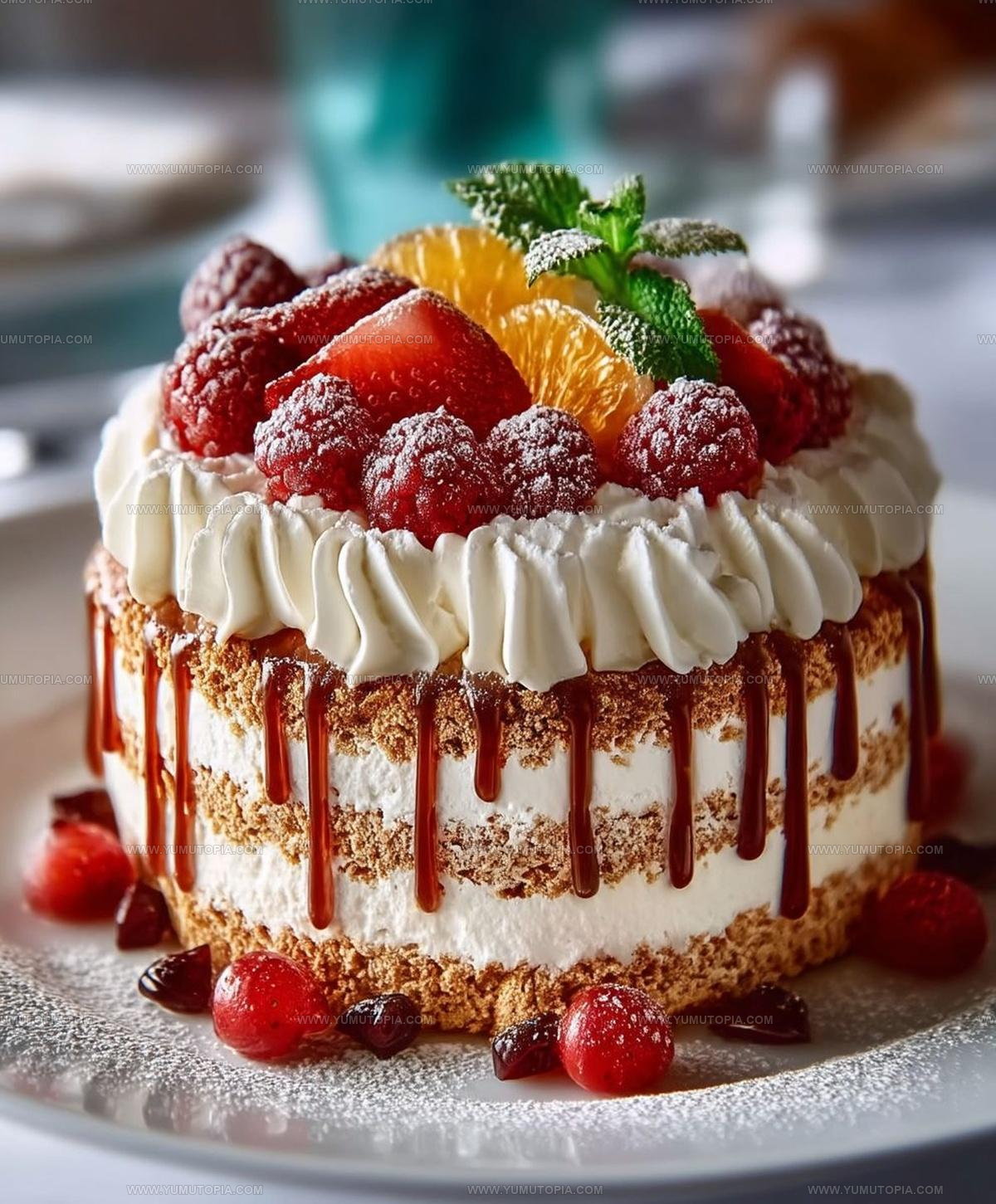
Classic Charlotte Russe Cake Recipe with Ladyfingers and Cream

Charlotte Russe Cake Recipe unites elegance and comfort in one stunning dessert that feels special without being fussy.
This classic treat has been gracing tables for generations, loved for its light yet satisfying nature that makes it perfect for celebrations or whenever you want something a bit more refined.
The beautiful presentation alone makes any occasion feel more memorable, while the delicate textures create a dining experience that feels both luxurious and approachable.
It works wonderfully for spring gatherings, holiday dinners, or simply when you want to impress without spending all day in the kitchen.
The combination of airy, creamy, and slightly sweet elements creates a dessert that never feels too heavy, making it ideal for ending a meal on just the right note.
What makes this dessert particularly appealing is how it manages to look incredibly impressive while remaining surprisingly straightforward to assemble.
When you serve this at your next gathering, expect plenty of compliments and requests for seconds.
Vintage-Dessert Reasons to Try Charlotte Russe Cake
The Ingredients Behind Charlotte Russe Cake
Primary Cake Ingredients:Supporting Ingredients:Finishing Ingredients:Tools to Layer Charlotte Russe Cake
How Is Charlotte Russe Cake Assembled
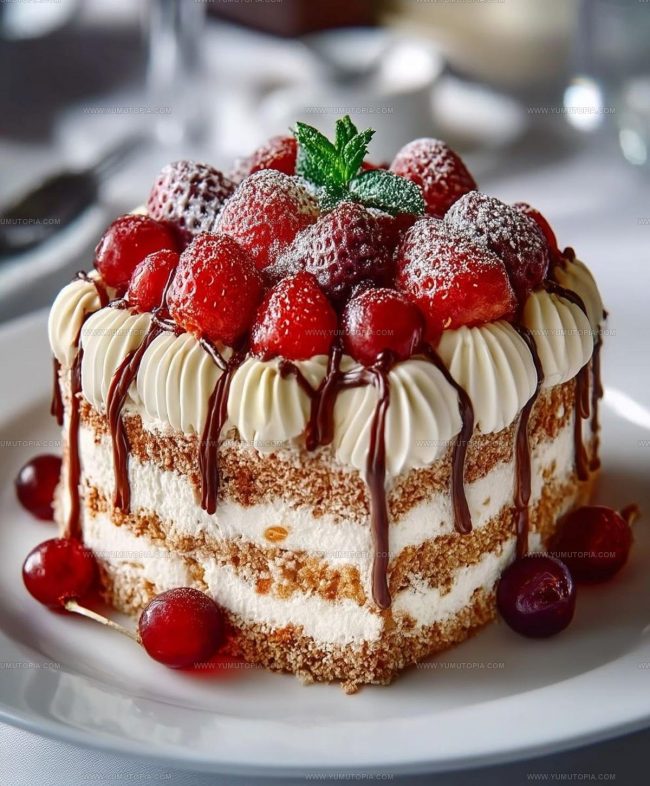
Prepare the Oven
Heat your oven to 350°F. Grab a 9-inch round cake pan and give it a quick spray with cooking spray, then dust it with a light coating of flour.
Mix Dry Ingredients
Grab a medium bowl and whisk together:
Whip Egg Yolk Mixture
In a separate large bowl, beat 4 egg yolks with 1/2 cup sugar until the mixture turns pale and starts to thicken.
Add Liquid Ingredients
Pour in 1/4 cup milk and 1 teaspoon vanilla extract. Mix until everything comes together smoothly.
Combine Batter
Slowly fold the dry ingredients into your wet mixture. Stir gently to keep the batter light and airy.
Whip Egg Whites
Grab a clean bowl and beat 4 egg whites until soft peaks form. Gradually add the remaining 1/2 cup sugar, beating until the mixture looks glossy and forms stiff peaks.
Fold Egg Whites
Carefully fold the egg whites into your batter. Use a gentle hand to keep all that beautiful air in the mixture.
Bake the Cake
Pour the batter into your prepared pan. Slide it into the 350°F oven and bake for 25-30 minutes. Check with a toothpick – it should come out clean when the cake is done.
Cool the Cake
Let the cake rest in the pan for 10 minutes, then turn it out onto a wire rack to cool completely.
Prepare Gelatin
Sprinkle 1 envelope of gelatin over 1/4 cup cold water. Let it sit and soften for about 5 minutes.
Heat Cream Base
In a saucepan, warm up:
Heat until the sugar dissolves and the mixture is steaming.
Temper Egg Yolks
Whisk 4 egg yolks in a separate bowl. Slowly pour in some of the hot cream, stirring constantly to prevent scrambling.
Cook Cream Mixture
Pour the egg mixture back into the saucepan. Cook on low heat for 5-7 minutes, stirring constantly until the mixture thickens slightly.
Dissolve Gelatin
Remove from heat and stir in the softened gelatin until it completely dissolves.
Finish Cream
Strain the mixture through a fine-mesh sieve. Stir in 1 teaspoon vanilla extract.
Chill Cream
Cover the bowl with plastic wrap, pressing it directly onto the cream’s surface. Refrigerate for at least 4 hours.
Prepare Assembly
Slice the cooled cake horizontally into two layers.
Line the Mold
Place one cake layer in the bottom of a 9-inch bowl.
Add Ladyfingers
Stand the ladyfingers upright around the inside edge of the bowl, pressing them gently against the cake layer to create a neat border.
Fill with Bavarian Cream
Spoon half of the chilled Bavarian cream into the lined bowl, spreading it evenly. Gently place the second cake layer on top.
Finish Filling and Chill
Pour the remaining Bavarian cream over the top, smoothing the surface with a spatula. Refrigerate for 2 hours until fully set.
Unmold the Dessert
Run a thin knife carefully around the edges of the bowl. Invert the dessert onto a serving plate and lift off the bowl gently.
Glaze and Garnish
Brush the ladyfingers with warmed apricot jam for a glossy finish. Garnish with fresh berries if desired.
Serve
Slice and serve the dessert well chilled for the best texture and presentation.
Which Vital Tips Improve Charlotte Russe Cake
Charlotte Russe Cake Variations to Try
How to Serve Charlotte Russe Cake
Best Storage Tips for Charlotte Russe Cake
Charlotte Russe Cake FAQs
What makes Bavarian cream different from other custards?
Bavarian cream stands out because it’s enriched with whipped cream and stabilized with gelatin, creating a lighter, silkier texture compared to traditional custards.
Can I substitute ladyfingers if I can’t find them?
Store-bought sponge cake or homemade genoise can work as an alternative, though ladyfingers provide the classic Charlotte Russe look and delicate texture.
How do I know if my egg whites are properly beaten?
Your egg whites are perfect when they form stiff, glossy peaks that hold their shape when you lift the beater – they should look smooth and not grainy.
Is this dessert difficult for beginner bakers?
While the recipe requires several steps, breaking them down and working carefully makes it achievable for someone willing to learn and practice techniques like tempering eggs and folding whites.
What’s the best way to slice this delicate dessert?
Use a sharp knife dipped in hot water and wiped clean between each slice to get neat, clean cuts through the soft Bavarian cream and ladyfinger layers.
Charlotte Russe Cake Recipe
- Total Time: 6 hours 45 minutes to overnight
- Yield: 8 1x
Description
Sweet Charlotte Russe cake brings French elegance right to your dessert table, combining delicate sponge cake, luscious cream, and elegant presentation that makes dinner guests swoon with delight.
Ingredients
Primary Cake Ingredients:
- 4 large eggs, separated
- 1 cup all-purpose flour
- 1 cup granulated sugar
- 2 cups heavy cream
Supporting Ingredients:
- 4 large egg yolks
- ¼ cup milk
- ¼ cup cold water
- ½ cup granulated sugar
- 1 package (3 ounces) ladyfingers
Finishing Ingredients:
- 1 teaspoon baking powder
- ¼ teaspoon salt
- 1 teaspoon vanilla extract
- 1 envelope (¼ ounce) unflavored gelatin
- ¼ teaspoon salt
- 1 teaspoon vanilla extract
- ½ cup apricot jam
- Fresh berries
Instructions
- Grease a 9-inch round cake pan at 350F (175C). Mix 1 cup flour, 1 teaspoon baking powder, and ¼ teaspoon salt in a medium bowl.
- Whisk 4 egg yolks with ½ cup sugar until pale yellow. Blend in ¼ cup milk and 1 teaspoon vanilla extract.
- Gradually incorporate dry ingredients into wet mixture without overmixing.
- Whip 4 egg whites until soft peaks form. Slowly add remaining ½ cup sugar, beating until glossy and stiff.
- Fold egg whites into batter gently and thoroughly. Transfer to prepared pan.
- Bake for 25-30 minutes until a wooden skewer comes out clean. Cool in pan for 10 minutes, then transfer to wire rack.
- Sprinkle 1 envelope gelatin over ¼ cup cold water. Let stand 5-10 minutes to soften.
- Heat 2 cups cream, ½ cup sugar, and ¼ teaspoon salt until sugar dissolves. Do not boil.
- Temper 4 egg yolks by slowly whisking hot cream into them. Return mixture to pan.
- Cook on low heat for 5-7 minutes, stirring constantly until mixture thickens. Remove from heat.
- Stir dissolved gelatin into cream mixture. Strain through fine-mesh sieve and add 1 teaspoon vanilla.
- Cover with plastic wrap touching cream surface. Refrigerate 4 hours or overnight.
- Trim cake top to create flat surface. Slice horizontally into two layers.
- Line 9-inch bowl with first cake layer. Stand split ladyfingers around interior edges.
- Spoon Bavarian cream halfway into lined bowl. Add second cake layer gently.
- Top with remaining cream, smoothing surface. Refrigerate 2 hours.
- Loosen edges with thin knife. Invert onto serving plate.
- Brush ladyfingers with ½ cup warmed apricot jam. Optional: Garnish with fresh berries.
- Serve chilled and enjoy your elegant dessert.
Notes
- Ensure egg whites are beaten to stiff peaks for a light, airy sponge cake texture that will make your Charlotte Russe delicate and soft.
- Use room temperature ingredients to help them blend smoothly and create a more consistent batter when mixing cake and cream components.
- Temper egg yolks carefully by slowly adding hot cream to prevent scrambling, which would ruin the smooth custard base of your Bavarian cream.
- For gluten-free adaptation, replace wheat flour with a cup-for-cup gluten-free flour blend and use gluten-free ladyfingers to maintain the classic dessert structure.
- Prep Time: 1 hour 15 minutes
- Cook Time: 25-30 minutes
- Category: Cakes
- Method: Baking
- Cuisine: French
Nutrition
- Serving Size: 8
- Calories: 348 kcal
- Sugar: 31 g
- Sodium: 140 mg
- Fat: 23 g
- Saturated Fat: 14 g
- Unsaturated Fat: 8 g
- Trans Fat: 0.5 g
- Carbohydrates: 28 g
- Fiber: 1 g
- Protein: 6 g
- Cholesterol: 160 mg
Madison Wyman
Recipe Developer & Food Storyteller
Expertise
Recipe Research and Adaptation, Food Writing and Cultural Storytelling, Sustainable and Ethical Sourcing, Dietary Adaptations (e.g., gluten-free, plant-based)
Education
Oregon Health & Science University
Portland Community College
Madison’s passion for flavor and culture ignited amidst the rich Southern cooking traditions of her upbringing, where cherished family recipes told delicious tales.
Armed with a Master’s in Food Systems and Society from Oregon Health & Science University and a Culinary Arts Certificate from Portland Community College, Madison truly excels at transforming rich, intricate flavors into dishes that are both approachable and heartfelt.
For her, cooking is a vibrant blend of science, art, and heritage – a powerful way to connect us to our roots and each other. Her recipes invite you to delve deeper, uncovering the fascinating stories woven into every ingredient.