
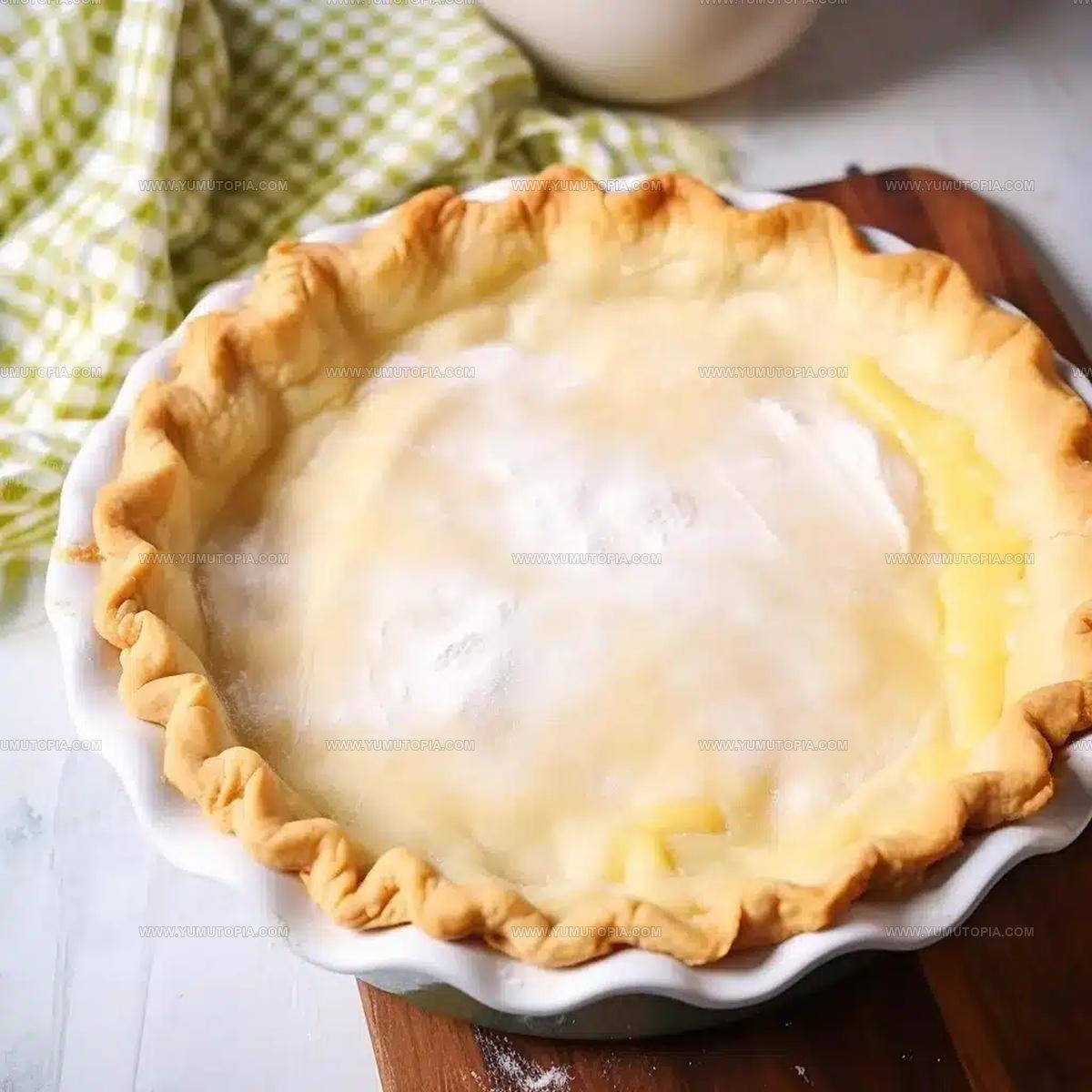
Flaky Pie Crust Recipe for Golden Homemade Pastry

Pie crust serves as the foundation for countless sweet and savory creations that grace tables during holidays, family gatherings, and casual weeknights alike.
Mastering a reliable version opens doors to homemade pies, tarts, and quiches that taste far superior to anything from a store.
The flaky, buttery layers provide the perfect contrast to whatever filling you choose, from fruit to custard to vegetables.
Learning the basics gives you control over texture and flavor while building confidence in the kitchen.
Many home bakers feel intimidated at first, but the process becomes second nature with a bit of practice.
Fresh, homemade versions have an incomparable taste and aroma that frozen options simply cannot match.
Rolling out dough and crimping edges might seem old-fashioned, yet the satisfaction of creating something from scratch never goes out of style.
Scroll down for a foolproof recipe that will become a go-to favorite for years to come.
Why Grandma’s No Fail Pie Crust Is A Go To
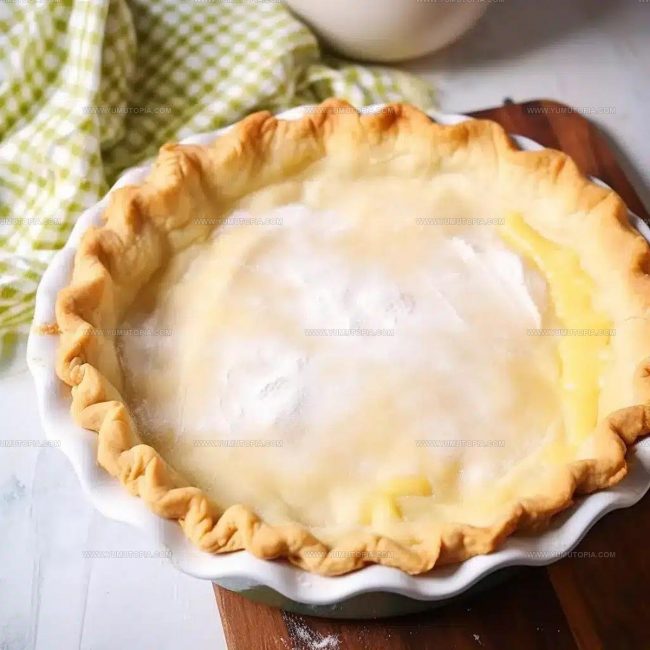
Core Ingredients for Grandma’s No-Fail Pie Crust
Dry Ingredients:Fat Component:Liquid Component:Everyday Kitchen Equipment for No Fail Pie Crust
The Process for Making Grandma’s No-Fail Pie Crust
Dry Ingredient Blend
Grab a spacious mixing bowl and toss in these dry ingredients:
Whisk everything together until perfectly combined.
Butter Preparation
Snag your cold butter and slice it into tiny 1/2-inch cubes. Cold butter is key for a flaky texture, so work quickly to keep it chilled.
Creating Crumbly Texture
Drop those butter cubes into your flour mixture. Using a pastry cutter or your fingertips, break down the butter until the mixture looks like coarse, sandy crumbs.
Don’t stress about making it perfect – some small butter chunks are totally okay.
Adding Moisture
Pour 1/4 cup ice water over the crumbly mixture. Grab a fork and gently stir, watching the dough slowly come together. The water helps bind everything without making the dough too wet.
Forming the Dough Ball
Ditch the fork and use your hands to press the dough into a cohesive ball. Be gentle – rough handling makes tough crust. Stop mixing as soon as the dough holds together.
Dividing the Dough
Split the dough into two equal portions. Shape each into a flat disc about 1 inch thick. This makes rolling easier later.
Chilling the Dough
Wrap each disc in plastic wrap and tuck them into the refrigerator for 1 hour. This lets the butter firm up and relaxes the gluten, ensuring a tender crust.
Preparing to Roll
Take the dough out of the fridge 10 minutes before rolling. This slight warmup prevents cracking when you roll it out.
Rolling the First Crust
Dust your countertop with flour. Roll the first disc into a 12-inch circle, keeping the thickness around 1/8 inch. Rotate the dough as you roll to keep it even.
Fitting the Crust
Carefully drape the rolled dough into a 9-inch pie plate. Let the excess hang over the edges – we’ll trim that later.
Trimming Edges
Cut the dough overhang, leaving a 1/2-inch margin for crimping. This gives you room to create a beautiful edge.
Rolling the Top Crust
Repeat the rolling process with the second disc. You can make a full top crust or get creative with a lattice design.
Finishing Touches
If making a full top crust, cut a few venting slits. Crimp the edges to seal and create a decorative border.
Final Chill
Pop the prepared pie crust into the refrigerator for 15 minutes. This final chill helps the crust keep its shape during baking.
Useful Recipe Notes For Grandma’s No-Fail Pie Crust
What Variations Work Well for Grandma’s No-Fail Pie Crust
Serving Notes For Grandma’s Pie Crust
Safe Storage for Grandma’s No-Fail Pie Crust
Grandma’s No Fail Pie Crust Frequently Asked Questions
Why does the butter need to be cold?
Cold butter creates flaky layers in your crust by preventing complete flour absorption, which helps develop a tender, crisp texture.
Can hand mixing replace a pastry cutter?
Absolutely! Your fingertips work perfectly for breaking down butter into flour, creating those signature crumbly pieces that make pie crust delicious.
What if the dough seems too dry or crumbly?
Add ice water one teaspoon at a time, gently stirring until the dough just starts holding together. Avoid adding too much water, which makes the crust tough.
How thin should the dough be rolled?
Aim for about 1/8-inch thickness, which provides enough structure to hold your filling without becoming dense or heavy.
Can this crust be made ahead of time?
Yes, wrap the dough discs in plastic and refrigerate up to 3 days or freeze for several weeks. Just thaw in the refrigerator before using.
What’s the best way to prevent a soggy bottom crust?
Chill the prepared crust before filling and baking, and consider blind baking for custard or cream-based pies.
Classic-Flaky Pie Crust Recipe
- Total Time: 1 hour 30 minutes
- Yield: 8 1x
Description
Grandma’s no-fail pie crust comes straight from a treasured family recipe that makes baking delightfully simple. Flaky, buttery pastry practically guarantees your dessert will be the star of any gathering.
Ingredients
Main Ingredients:
- 2 ½ cups all-purpose flour
- 1 cup unsalted butter
Binding Ingredients:
- ¼ cup ice water
Seasoning Ingredients:
- 1 tablespoon white sugar
- 1 teaspoon salt
Instructions
- Combine 2 ½ cups flour, 1 tsp salt, and 1 tbsp sugar in a spacious mixing bowl, ensuring dry ingredients are evenly distributed.
- Slice 1 cup cold unsalted butter into tiny ½-inch cubes for easier incorporation.
- Crush butter into flour mixture using a pastry blender or fingertips until the texture resembles rough breadcrumbs.
- Sprinkle ¼ cup ice water across the mixture, gently stirring with a fork until dough begins forming clusters.
- Gather dough with clean hands, pressing gently to create a compact ball without excessive handling.
- Separate dough into two equal portions, shaping each into a flat, round disc approximately 1-inch thick.
- Encase each disc tightly in plastic wrap and refrigerate for 60 minutes to stabilize butter consistency.
- Remove dough from refrigerator, letting it rest at room temperature for 10 minutes to soften slightly.
- Dust work surface generously with flour to prevent sticking.
- Roll first disc into a circular shape 12 inches wide and ⅛-inch thick, rotating frequently.
- Transfer rolled dough carefully into a 9-inch pie plate, allowing extra dough to drape over edges.
- Trim excess dough around rim, leaving a ½-inch overhang for decorative crimping.
- Repeat rolling process with second disc for top or bottom crust design.
- Create decorative edge by pinching and folding excess dough.
- Cut small venting slits if preparing a full top crust.
- Chill prepared pie crust for 15 minutes at 40°F before adding filling.
Notes
- Cold butter is the secret to a flaky, tender crust that melts in your mouth.
- Handle the dough gently and minimally to prevent tough, chewy pastry that no one enjoys.
- Chilling the dough helps prevent shrinking and maintains the buttery texture during baking.
- For a gluten-free version, swap wheat flour with a cup-for-cup gluten-free blend that contains xanthan gum.
- Prep Time: 1 hour 30 minutes
- Cook Time: 0 minutes
- Category: Pies
- Method: Baking
- Cuisine: American
Nutrition
- Serving Size: 8
- Calories: 310 kcal
- Sugar: 2 g
- Sodium: 150 mg
- Fat: 22 g
- Saturated Fat: 14 g
- Unsaturated Fat: 7 g
- Trans Fat: 0.5 g
- Carbohydrates: 28 g
- Fiber: 1 g
- Protein: 3 g
- Cholesterol: 55 mg
Madison Wyman
Recipe Developer & Food Storyteller
Expertise
Recipe Research and Adaptation, Food Writing and Cultural Storytelling, Sustainable and Ethical Sourcing, Dietary Adaptations (e.g., gluten-free, plant-based)
Education
Oregon Health & Science University
Portland Community College
Madison’s passion for flavor and culture ignited amidst the rich Southern cooking traditions of her upbringing, where cherished family recipes told delicious tales.
Armed with a Master’s in Food Systems and Society from Oregon Health & Science University and a Culinary Arts Certificate from Portland Community College, Madison truly excels at transforming rich, intricate flavors into dishes that are both approachable and heartfelt.
For her, cooking is a vibrant blend of science, art, and heritage – a powerful way to connect us to our roots and each other. Her recipes invite you to delve deeper, uncovering the fascinating stories woven into every ingredient.