Homemade Irish Soda Bread Recipe For Your Table

Rustic irish soda bread stands as a beloved classic with deep roots in traditional Irish cuisine.
Simple yet hearty, this bread connects generations through its rich cultural heritage and uncomplicated charm.
Warm kitchens across Ireland have long celebrated this comforting staple that requires minimal effort but delivers maximum satisfaction.
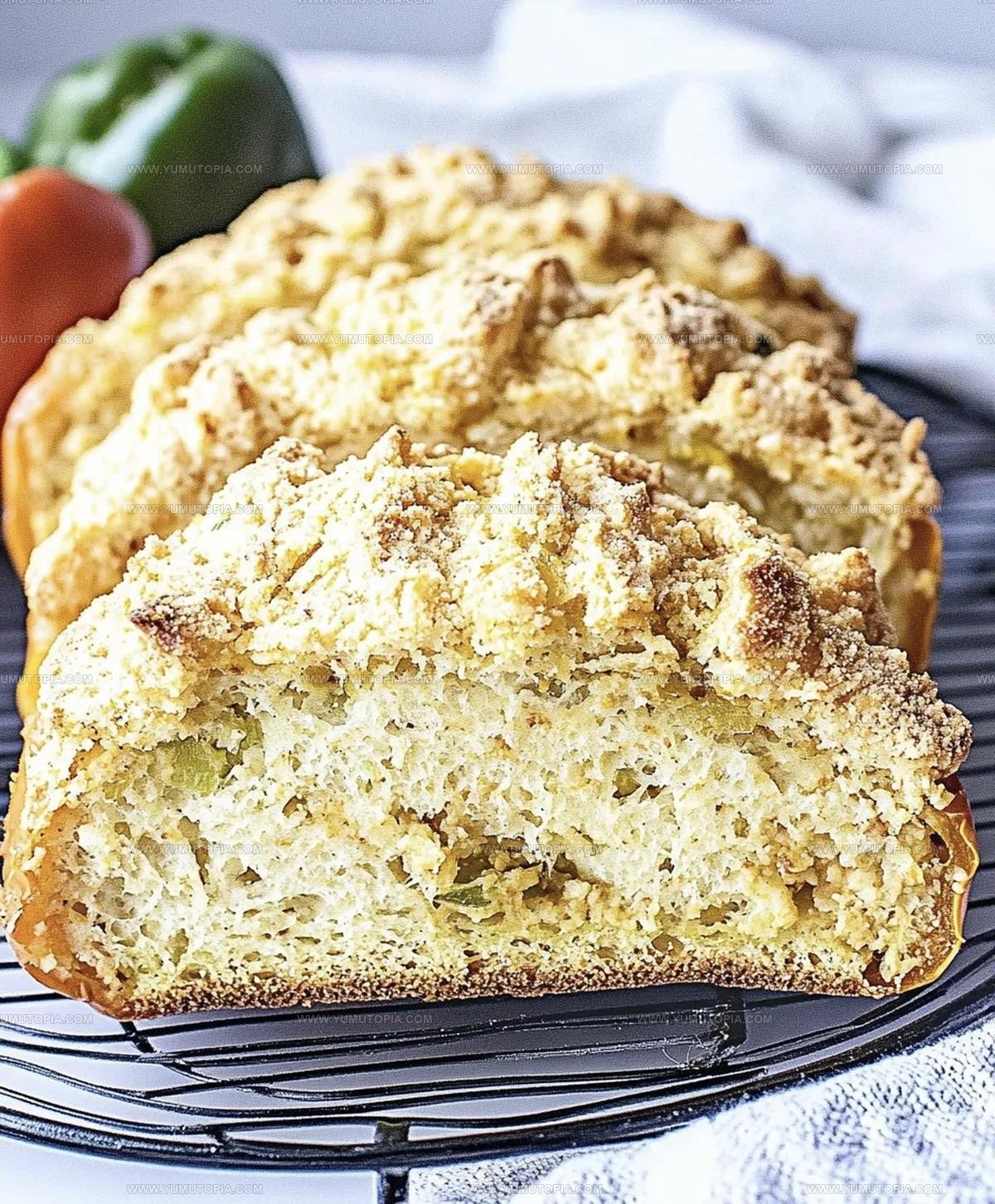
Crusty exterior and soft interior make this bread a delightful companion to soups, stews, and morning breakfasts.
Family gatherings feel more intimate when sharing slices of this homemade treasure that speaks directly to comfort and tradition.
Baking skills matter less than passion when preparing this welcoming recipe that embraces imperfection with open arms.
Prepare to experience a slice of Irish warmth that promises to transport you straight to the rolling green landscapes of Ireland.
Standout Reasons To Try Irish Soda Bread
Ingredients For Irish Soda Bread
Flour Group:Leavening Group:Liquid Group:Practical Prep Tools for Irish Soda Bread
Directions for Irish Soda Bread
Prepare Oven and Baking Surface
Crank up the oven to 425°F and grab a baking sheet. Dust the sheet lightly with flour or line it with parchment paper so your bread won’t stick.
Mix Dry Ingredients
Grab a large mixing bowl and toss in 4 cups of all-purpose flour. Add:
Whisk everything together until the ingredients are evenly distributed.
Create Dough
Pour 2 cups of buttermilk into the dry ingredients. Stir with a wooden spoon or your hands. Mix just until the dough comes together – you’re aiming for slightly sticky but not super wet.
Shape the Loaf
Sprinkle a bit of flour on your work surface. Gently transfer the dough and shape it into a round loaf. Keep things light – no aggressive kneading here. We want a tender bread.
Prepare for Baking
Move the dough onto your prepared baking sheet. Grab a sharp knife and cut a cross about ½ inch deep right across the top of the loaf.
First Baking Stage
Slide the baking sheet into the 425°F oven. Bake for exactly 10 minutes to start the cooking process.
Finish Baking
Lower the oven temperature to 375°F. Continue baking for 35-40 minutes. Your bread is ready when the crust turns golden brown and tapping the bottom sounds hollow.
Cool and Serve
Let the bread rest on a wire rack for 15 minutes. Slice and enjoy warm or at room temperature.
Best Irish Soda Bread Cooking Tips
Flavorful Options for Irish Soda Bread
Classic Serving Ideas for Irish Soda Bread
How To Store Irish Soda Bread
Irish Soda Bread Questions Explained
What makes soda bread different from other breads?
Soda bread uses baking soda instead of yeast for rising, which means no complicated rising time and a quicker baking process.
Can buttermilk be substituted if I don’t have it?
You can create a buttermilk substitute by adding 1 tablespoon of vinegar or lemon juice to regular milk and letting it sit for 5 minutes.
Why do I need to cut a cross on top of the bread?
The cross helps the bread bake evenly and allows steam to escape during baking, creating a better texture.
How do I know the bread is fully baked?
Tap the bottom of the bread – if it sounds hollow, the bread is done. The crust should also be a deep golden brown color.
Is this bread best served immediately?
Soda bread tastes best warm, but it stays delicious for a day or two when wrapped in a clean kitchen towel.
Can I add other ingredients to the basic recipe?
Raisins, herbs, or seeds can be mixed into the dough for extra flavor, but keep additions minimal to maintain the bread’s traditional texture.
Irish Soda Bread Recipe
- Total Time: 55 minutes – 1 hour
- Yield: 8 1x
Description
Irish Soda Bread brings warm memories of my grandmother’s kitchen, where simple ingredients magically became a comforting loaf. Crusty outside and tender inside, this traditional bread serves up pure Irish hospitality with just a few pantry staples.
Ingredients
Flour and Leavening Agents:
- 4 cups all-purpose flour
- 1 ¼ teaspoons baking soda
- 1 ½ teaspoons salt
Liquid Ingredient:
- 2 cups buttermilk
Instructions
- Mix 4 cups of flour, 1 ½ teaspoons salt, and 1 ¼ teaspoons baking soda in a large bowl, whisking thoroughly to distribute evenly.
- Pour 2 cups of cold buttermilk into the dry ingredients, stirring gently with a wooden spoon until a sticky dough forms.
- Transfer the shaggy dough onto a floured surface, shaping it into a loose round loaf without excessive handling.
- Move the dough onto a flour-dusted baking sheet, creating a deep cross-shaped slash about ½ inch wide across the top surface.
- Slide the baking sheet into a 425°F oven, setting a timer for 10 minutes to develop initial crust color.
- Reduce oven temperature to 375°F, continuing to bake for 35-40 minutes until the exterior turns deep golden brown.
- Check bread’s doneness by tapping the bottom – it should produce a hollow sound indicating complete baking.
- Remove from oven and transfer to a wire rack, allowing the bread to rest and cool for 15 minutes before slicing.
- Slice and serve the bread warm or at room temperature, enjoying its rustic texture and simple flavor.
Notes
- Buttermilk creates the perfect tangy flavor and helps activate the baking soda for a light, tender crumb.
- Avoid overmixing the dough, as this can make the bread tough and dense instead of soft and crumbly.
- For a gluten-free version, substitute the all-purpose flour with a good quality gluten-free flour blend that includes xanthan gum.
- Wrap the bread in a clean kitchen towel after cooling to keep the crust soft and prevent it from drying out too quickly.
- Prep Time: 10 minutes
- Cook Time: 45-50 minutes
- Category: Breads
- Method: Baking
- Cuisine: Irish
Nutrition
- Serving Size: 8
- Calories: 208 kcal
- Sugar: 0 g
- Sodium: 246 mg
- Fat: 1 g
- Saturated Fat: 0.6 g
- Unsaturated Fat: 0.4 g
- Trans Fat: 0 g
- Carbohydrates: 44 g
- Fiber: 2 g
- Protein: 6 g
- Cholesterol: 7 mg
Logan Lemaster
Founder & Culinary Innovator
Expertise
Recipe Development and Innovation, Menu Design and Optimization, Fine Dining Techniques, Ingredient Pairing and Flavor Science
Education
Metropolitan Culinary Arts Institute
Logan’s culinary journey kicked off in his vibrant Chicago family kitchen, where fresh, seasonal ingredients and bold flavors were always front and center.
After graduating from the Metropolitan Culinary Arts Institute in Arlington, Virginia, and honing his skills in renowned restaurants, Logan mastered the art of blending classic techniques with exciting, modern twists.
His kitchen is a dynamic lab for flavor exploration. Through Yum Utopia, Logan aims to empower you to cook with both confidence and creativity, turning simple ingredients into spectacular meals.