
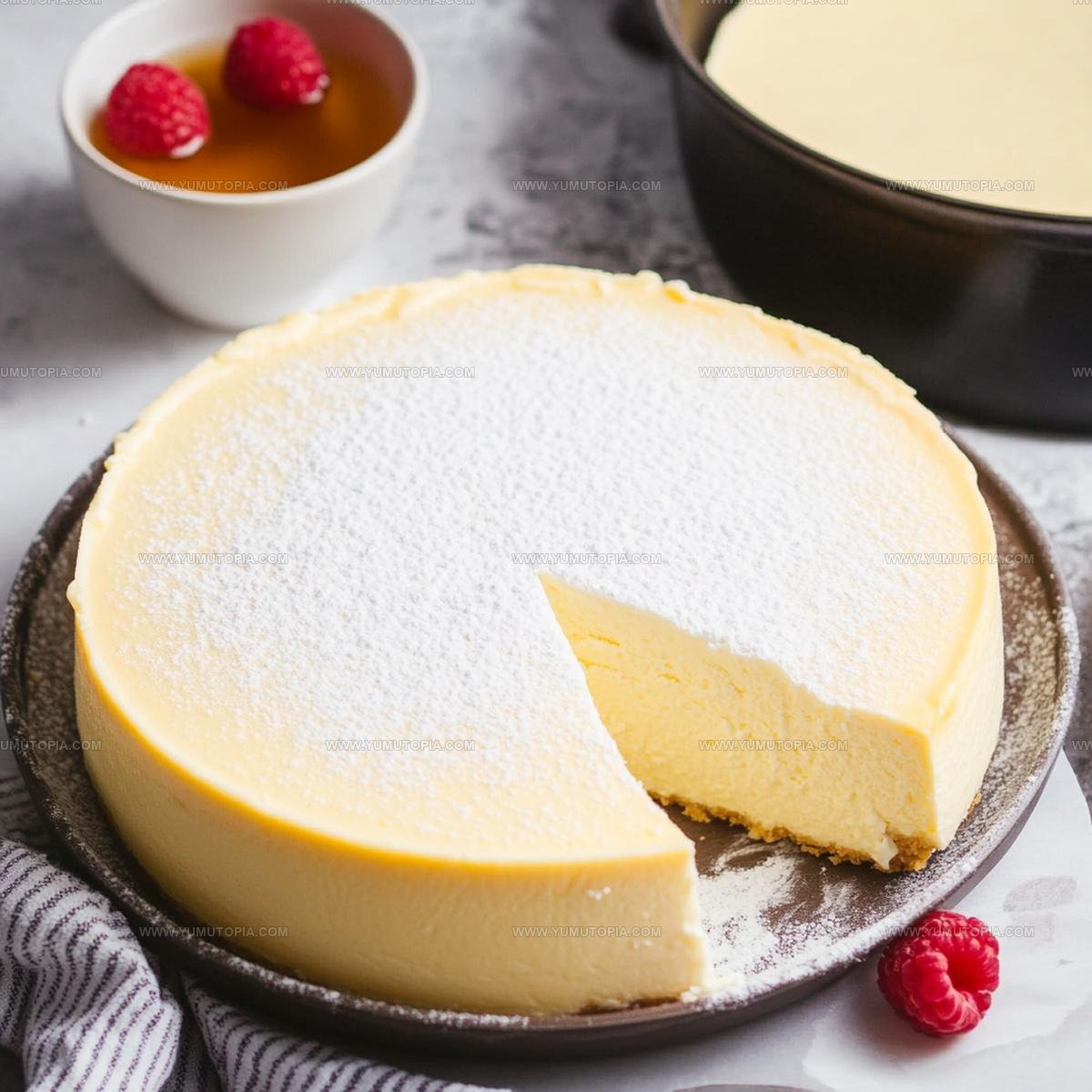
Fluffy Japanese Cheesecake Recipe With 3 Ingredients

Japanese cheesecake recipe fans know that few desserts can match the light, airy texture of this cotton-soft treat from the land of the rising sun.
Bakeries across Tokyo have perfected an exceptionally fluffy creation that jiggles when moved and melts on contact with the tongue.
The delicate nature of this dessert makes it feel special without being overly heavy or rich.
Serving it at brunch, teatime, or after dinner always impresses guests who appreciate something different from typical dense cakes.
What makes this dessert so beloved is how it manages to feel both elegant and comforting at the same time.
The wobbling texture has made it a social media sensation, though the appeal goes far beyond its photogenic qualities.
Home bakers everywhere have fallen in love with recreating this cloud-like confection that tastes as wonderful as it looks.
What Makes Japanese Cheesecake So Unique
Complete Ingredient Breakdown for Japanese Cheesecake
Cake Base Ingredients:Flavor Enhancers:Optional Finishing Touches:Best Tools for Japanese Cheesecake
Gentle Baking Method for Japanese Cheesecake
Warm Up the Oven
Set your oven to 300°F and grab an 8×3-inch cake pan. Cut a circle of parchment paper that fits perfectly in the bottom of the pan. This little trick helps the cake slide out like a dream later.
Melt the Creamy Base
Grab a heatproof bowl and toss in these ingredients:
Sit the bowl over a pot of simmering water, making sure the bowl doesn’t touch the water. Whisk everything until it’s super smooth and combined.
Add Richness to the Mixture
Take the bowl off the heat and quickly stir in:
Whisk until blended. Then sprinkle in:
Whisk carefully to remove any lumps. If you’re feeling fancy, stir in 1 tbsp lemon zest and 1½ tsp vanilla extract.
Create the Meringue Magic
Grab a clean mixing bowl and combine:
Beat until the mixture gets foamy. Slowly add ⅓ cup granulated sugar in three separate additions while whipping. Keep beating until soft peaks form.
Gentle Mixing
Carefully fold the meringue into the cream cheese mixture. Do this in three parts, being super gentle to keep all that lovely airiness. Think of it like tucking a fluffy cloud into a creamy blanket.
Prepare for Baking
Pour the batter into your prepared pan. Give the pan a gentle tap on the counter to pop any big air bubbles. Fill a 9×9-inch pan halfway with hot water and place it in the oven to create a cozy water bath.
Bake to Perfection
Slide the cake pan into the water bath and bake at 300°F for 1 hour and 20 minutes. The cake is done when it’s set and has a gentle golden color on top.
Cool and Serve
Once baked, let the cheesecake cool completely. Dust with powdered sugar if you want a sweet finish. Serve with fresh berries or a dollop of whipped cream for extra yumminess.
What Helpful Cooking Notes Improve Japanese Cheesecake
Japanese Cheesecake Texture Variations
Elegant Ways to Serve Japanese Cheesecake
Best Storage Method For Japanese Cheesecake
Japanese Cheesecake FAQs
Why do I need to use a water bath for this cheesecake?
A water bath helps create gentle, even heat that prevents cracking and ensures a smooth, creamy texture in your Japanese cheesecake.
Can I replace cake flour with all-purpose flour?
Cake flour is essential for the delicate, soft texture of this cheesecake. Regular all-purpose flour will change the cake’s structure and make it denser.
What does lemon juice do in the meringue?
Lemon juice helps stabilize the egg whites and creates a more consistent, voluminous meringue that holds its shape better during baking.
How do I know when the meringue is at the right consistency?
When you lift the whisk, the meringue should form soft peaks that slightly curl over rather than standing straight up or falling completely flat.
Why must I fold the meringue so gently?
Gentle folding preserves the air bubbles in the meringue, which gives the cheesecake its signature light, souffle-like texture and helps it rise beautifully.
What happens if I overmix the batter?
Overmixing will deflate the meringue and cause the cheesecake to become dense and flat instead of tall and fluffy.
Jiggly Japanese Cheesecake Recipe
- Total Time: 1 hour 50 minutes
- Yield: 8 1x
Description
Whipping up Japanese Cheesecake feels like creating pure cloud-like magic in your kitchen. Silky smooth batter and gentle baking techniques deliver a delightfully light dessert that melts perfectly on your tongue.
Ingredients
Main Ingredients:
- 8 oz cream cheese
- 6 large eggs
- ½ cup cake flour
- ⅓ cup granulated sugar
Supporting Ingredients:
- 4 tablespoons unsalted butter
- ¼ cup heavy cream
- 2 teaspoons lemon juice
Flavor Enhancers:
- 1 tablespoon lemon zest
- 1 ½ teaspoons vanilla extract
Instructions
- Gather your ingredients and preheat the oven to 300°F. Carefully line an 8×3-inch cake pan with parchment paper, ensuring smooth coverage.
- Create a double boiler by placing a heatproof bowl over a pot of simmering water. Combine 8 oz cream cheese, 4 tbsp butter, and ¼ cup heavy cream, whisking until completely smooth.
- Remove the cream cheese mixture from heat. Whisk in 6 egg yolks until well incorporated. Sift ½ cup cake flour into the mixture, stirring until no lumps remain.
- Add 1 tbsp lemon zest and 1½ tsp vanilla extract to the batter, mixing gently. Let the batter cool to room temperature.
- Prepare a water bath by filling a 9×9-inch pan halfway with hot water. Place the pan in the oven while preheating.
- In a clean bowl, beat 6 egg whites with 2 tsp lemon juice until frothy. Gradually add ⅓ cup sugar in three stages, whipping until medium-soft peaks form.
- Carefully fold ⅓ of the meringue into the cream cheese batter. Repeat with remaining meringue, maintaining an airy texture.
- Pour the batter into the prepared pan. Tap the pan gently on the counter to release air bubbles.
- Place the cake pan into the preheated water bath. Bake at 300°F for 1 hour and 20 minutes, until the top is slightly golden and the cake is set.
- Remove from the oven and let the cheesecake cool completely before removing from the pan. Dust with powdered sugar if desired.
Notes
- Whisk the cream cheese mixture gently over low heat to prevent burning and ensure a smooth, creamy texture.
- Always use room temperature ingredients for seamless mixing and a lighter, fluffier cheesecake.
- Folding the meringue requires a delicate touch, using a spatula and cutting through the batter to maintain its airy volume.
- Let the cheesecake cool completely inside the oven with the door slightly open to prevent sudden temperature changes that could cause cracking.
- Prep Time: 30 minutes
- Cook Time: 1 hour 20 minutes
- Category: Cheesecakes
- Method: Baking
- Cuisine: Japanese
Nutrition
- Serving Size: 8
- Calories: 202 kcal
- Sugar: 8 g
- Sodium: 110 mg
- Fat: 15 g
- Saturated Fat: 9 g
- Unsaturated Fat: 5 g
- Trans Fat: 0.3 g
- Carbohydrates: 7 g
- Fiber: 0.2 g
- Protein: 6 g
- Cholesterol: 140 mg
Logan Lemaster
Founder & Culinary Innovator
Expertise
Recipe Development and Innovation, Menu Design and Optimization, Fine Dining Techniques, Ingredient Pairing and Flavor Science
Education
Metropolitan Culinary Arts Institute
Logan’s culinary journey kicked off in his vibrant Chicago family kitchen, where fresh, seasonal ingredients and bold flavors were always front and center.
After graduating from the Metropolitan Culinary Arts Institute in Arlington, Virginia, and honing his skills in renowned restaurants, Logan mastered the art of blending classic techniques with exciting, modern twists.
His kitchen is a dynamic lab for flavor exploration. Through Yum Utopia, Logan aims to empower you to cook with both confidence and creativity, turning simple ingredients into spectacular meals.