
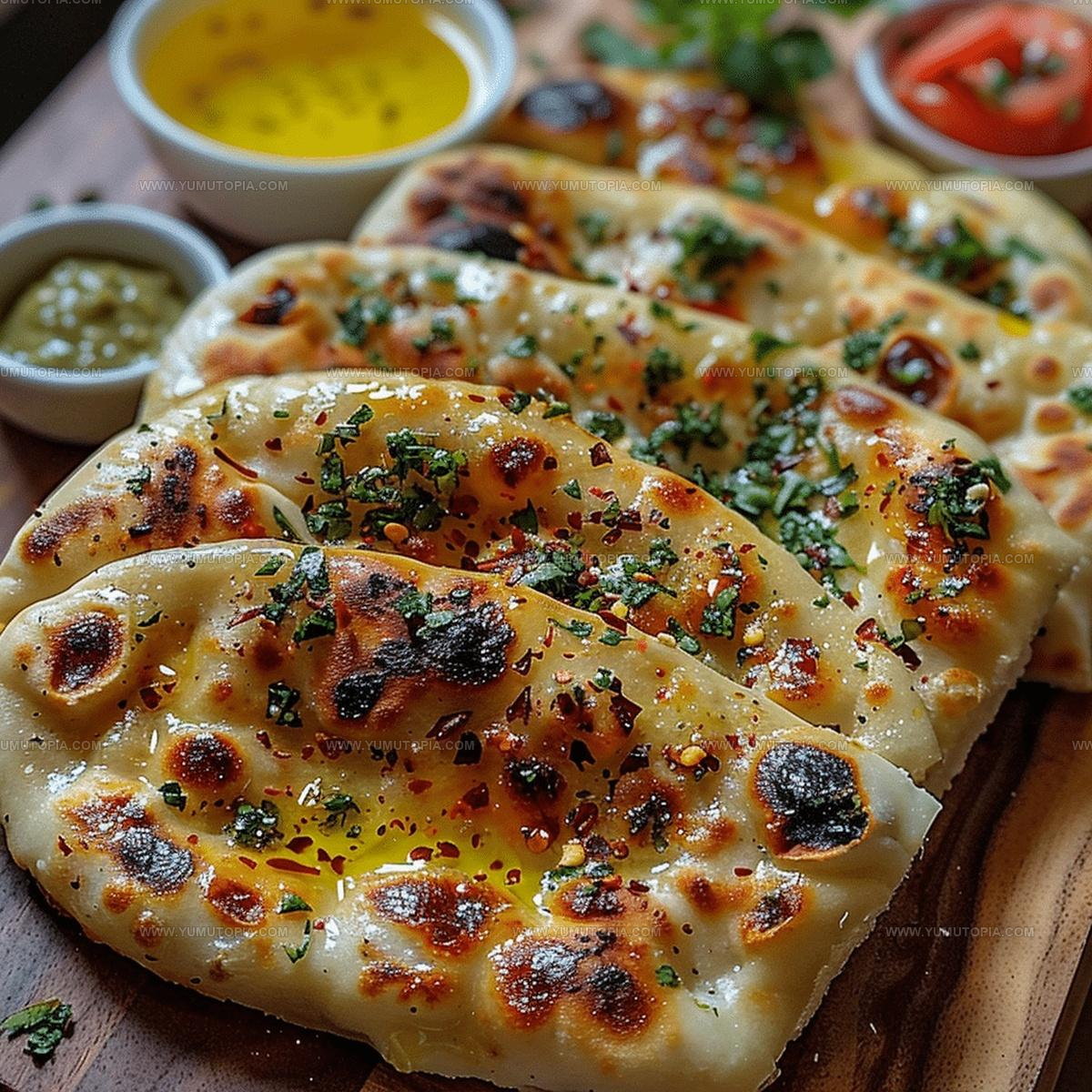
Turkish Lava Flatbread Recipe With Melted Butter Layers

Turkish lava bread stands as a legendary comfort food that has captured hearts across generations.
Soft, pillowy, and impossibly light, this flatbread represents pure culinary magic from Turkey’s rich gastronomic traditions.
Generations of home cooks have perfected its delicate texture and understated charm, creating something far more than mere sustenance.
Warm and inviting, lava bread connects people through shared meals and time-honored techniques passed down through families.
Its simple elegance speaks volumes about Mediterranean baking wisdom, transforming basic ingredients into something extraordinary.
Perfect for gathering friends around the table, this bread promises memorable moments and genuine connections.
Prepare to experience a delicious slice of Turkish hospitality that will transport you straight to bustling Istanbul streets.
Why Turkish Lava Bread Feels So Special
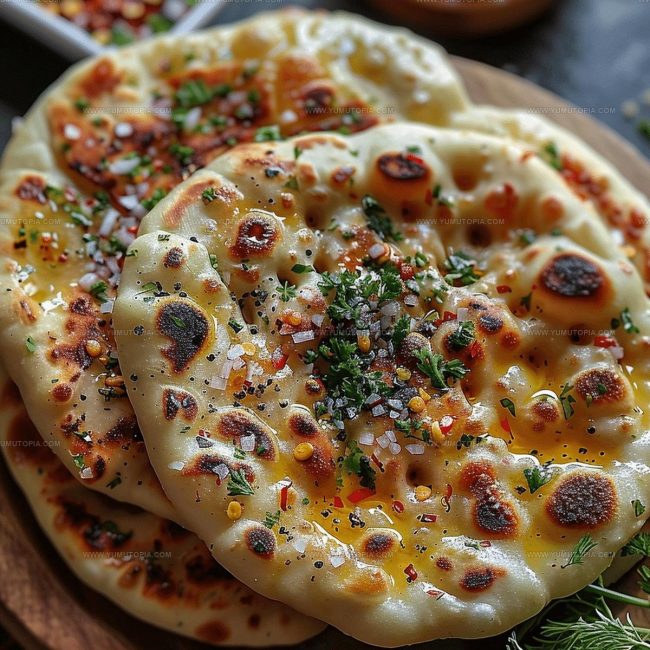
Essential Ingredients for Lava Bread Turkish Flatbread
Main Dough Ingredients:Supporting Ingredients:Optional Finishing Touches:Standard Cooking Tools for Turkish Lava Bread
Cooking Method for Lava Bread Turkish Flatbread
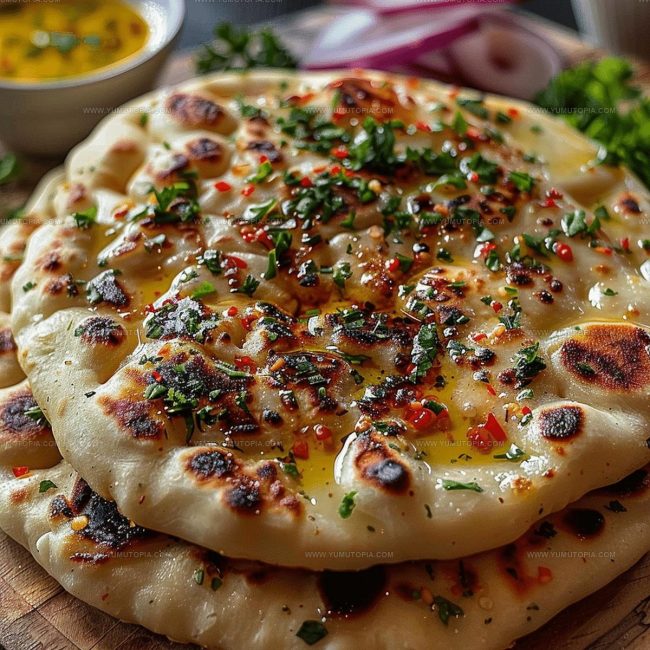
Activate the Yeast
Pour 1 cup of warm water into a large mixing bowl. Sprinkle 1 tbsp of sugar and 2 tsp of instant yeast over the water. Wait 5-10 minutes until the mixture gets foamy and bubbly.
Create Dough Base
Add the following ingredients to the yeast mixture:
Stir these ingredients together until well combined.
Mix and Form Dough
Gradually add 3 1/2 cups of all-purpose flour to the wet ingredients. Mix until a soft, slightly sticky dough forms. The dough will start pulling away from the bowl’s sides.
Knead the Dough
Transfer the dough to a clean surface. Knead for 8-10 minutes until the texture becomes smooth and elastic. The dough should feel soft and springy when you press it.
First Rising
Place the dough in a lightly oiled bowl. Cover with a clean kitchen towel. Let it rest in a warm spot for 30-45 minutes until the dough doubles in size.
Divide and Shape
Punch down the risen dough. Divide it into 6 equal portions. Roll each piece into a round ball. Let the balls rest for 10 minutes.
Roll Out Flatbreads
On a floured surface, roll each dough ball into a thin circle about 1/4 inch thick. Dust with flour to prevent sticking.
Cook Flatbreads
Heat a dry skillet over medium-high heat (around 375°F). Cook each flatbread for 1-2 minutes per side. Watch for golden brown spots and puffy bubbles forming.
Finish and Serve
Transfer cooked flatbreads to a plate. Optional: Brush with melted butter and sprinkle with chopped parsley or zaatar. Serve warm and enjoy immediately.
Notes For Best Results With Lava Bread Turkish Flatbread
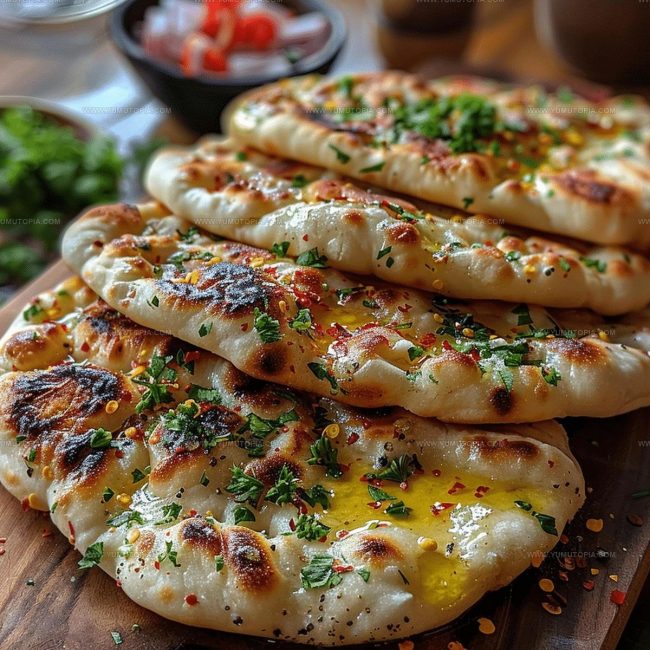
Flexible Options For Lava Bread Turkish Flatbread
Best Serving Options For Lava Bread
Storage And Reheating Notes For Lava Bread Turkish Flatbread
Turkish Lava Bread Q&A
What makes this flatbread different from other bread types?
This Turkish flatbread is super soft and puffy, cooked directly on the stovetop without an oven, creating a unique texture and quick cooking method that makes bread preparation simple and fast.
Do I need special skills to make this bread?
Not at all! Even beginner bakers can master this recipe. The process is straightforward, and the ingredients are basic pantry staples you likely already have at home.
Can I freeze the dough for later use?
Absolutely. After kneading, you can wrap the dough tightly and freeze for up to one month. Thaw in the refrigerator overnight before rolling and cooking.
What if my dough doesn’t rise properly?
Check that your yeast is fresh and your water temperature is warm but not hot. A draft-free, warm spot helps activate the yeast and encourage rising.
Is a cast-iron skillet best for cooking these flatbreads?
While cast iron works great, any heavy-bottomed skillet will do. The key is maintaining medium-high heat and watching for golden spots and puffy bubbles.
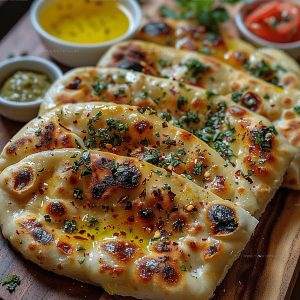
Lava Bread (Turkish Flatbread) Recipe
- Total Time: 1 hour 39 minutes – 1 hour 59 minutes
- Yield: 3 1x
Description
Fresh lava bread brings Turkish street charm straight to your kitchen, creating pillowy flatbread that sizzles with authentic flavor and connects you directly to traditional cooking techniques.
Ingredients
Main Ingredients:
- 3.5 cups all-purpose flour
- 1 cup warm water
- 0.5 cup plain yogurt
Leavening and Seasoning Ingredients:
- 2 teaspoons instant yeast
- 1 tablespoon sugar
- 1 teaspoon salt
Supporting Ingredients:
- 1 tablespoon olive oil
Optional Toppings:
- melted butter
- chopped parsley
- zaatar
Instructions
- Activate the yeast by combining ½ cup warm water, 1 tbsp sugar, and 2 tsp instant yeast in a large mixing bowl. Allow the mixture to become frothy for 5-10 minutes.
- Pour in ½ cup plain yogurt, 1 tbsp olive oil, and 1 tsp salt into the yeast mixture. Stir thoroughly to integrate all ingredients.
- Gradually incorporate 3 ½ cups all-purpose flour into the wet ingredients. Mix until a soft, cohesive dough develops.
- Transfer the dough onto a clean surface and knead vigorously for 8-10 minutes. Ensure your dough becomes smooth and elastic.
- Place the dough in a lightly oiled bowl, cover with a kitchen towel, and let it rise in a warm spot for 30-45 minutes until it doubles in volume.
- Deflate the dough by gently pressing down. Divide it into 6 equal portions and shape each into a round ball.
- Allow the dough balls to rest for 10 minutes. Roll each one into a thin circle approximately ¼ inch thick on a floured surface.
- Preheat a dry skillet to medium-high heat (around 375°F). No additional oil is needed in the pan.
- Cook each dough round for 1-2 minutes per side. Look for golden spots and puffy air bubbles as indicators of perfect cooking.
- Transfer cooked flatbreads to a covered plate to retain warmth. Optional: brush with melted butter or sprinkle with chopped parsley.
Notes
- Let the yeast mixture get foamy to activate the bread’s rise and ensure a soft, puffy texture.
- Rest the dough balls for 10 minutes to relax the gluten and make rolling easier.
- Use a dry, hot skillet to create those delightful golden bubbles that make this flatbread special.
- Brush with melted butter or olive oil after cooking to add extra flavor and keep the bread moist.
- Prep Time: 1 hour 15 minutes – 1 hour 35 minutes
- Cook Time: 12 minutes per side (24 minutes total)
- Category: Breads
- Method: Sautéing
- Cuisine: Turkish
Nutrition
- Serving Size: 3
- Calories: 280
- Sugar: 3 g
- Sodium: 350 mg
- Fat: 4 g
- Saturated Fat: 1 g
- Unsaturated Fat: 3 g
- Trans Fat: 0 g
- Carbohydrates: 53 g
- Fiber: 2 g
- Protein: 8 g
- Cholesterol: 5 mg
Logan Lemaster
Founder & Culinary Innovator
Expertise
Recipe Development and Innovation, Menu Design and Optimization, Fine Dining Techniques, Ingredient Pairing and Flavor Science
Education
Metropolitan Culinary Arts Institute
Logan’s culinary journey kicked off in his vibrant Chicago family kitchen, where fresh, seasonal ingredients and bold flavors were always front and center.
After graduating from the Metropolitan Culinary Arts Institute in Arlington, Virginia, and honing his skills in renowned restaurants, Logan mastered the art of blending classic techniques with exciting, modern twists.
His kitchen is a dynamic lab for flavor exploration. Through Yum Utopia, Logan aims to empower you to cook with both confidence and creativity, turning simple ingredients into spectacular meals.