
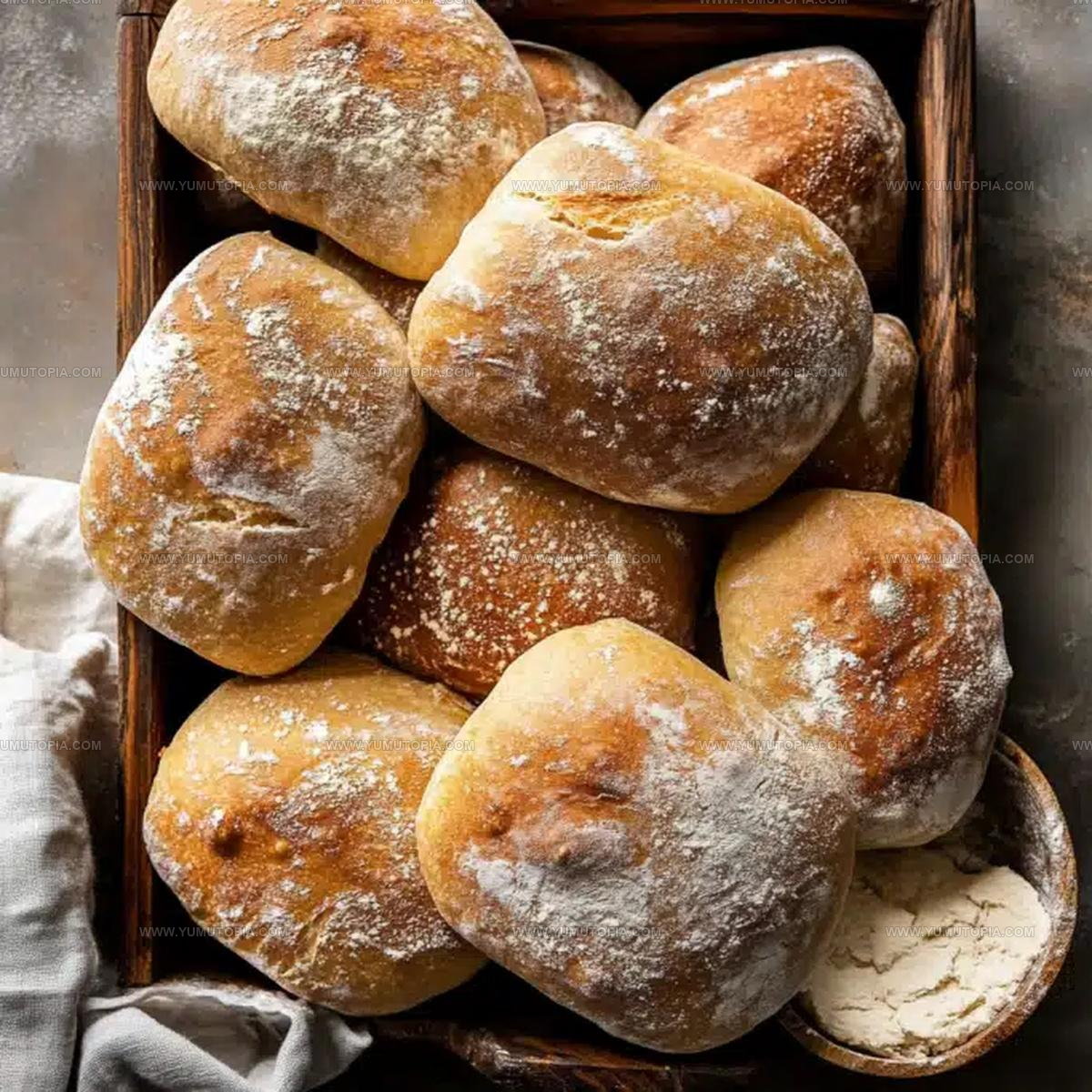
Ciabatta Bread Recipe with a Rustic Artisan Crust

Rustic ciabatta bread offers one of life’s simplest pleasures when you pull a golden loaf from the oven and hear that satisfying crackle.
This Italian classic has won hearts worldwide with its airy texture and crisp crust that makes every bite memorable.
The bread pairs beautifully with soups, becomes the foundation for incredible sandwiches, or shines on its own with just a drizzle of olive oil.
Home bakers often think artisan loaves require professional skills, but the process is more approachable than most people realize.
The key lies in patience rather than complicated techniques, making it perfect for anyone ready to level up their baking game.
Each loaf comes out slightly different, which adds to the charm and authentic character of homemade bread.
Once you taste the difference between store-bought and fresh-from-scratch, going back feels impossible.
Start baking today and fill the house with an aroma that turns any ordinary day into something special.
Why Should You Try Homemade Ciabatta Bread
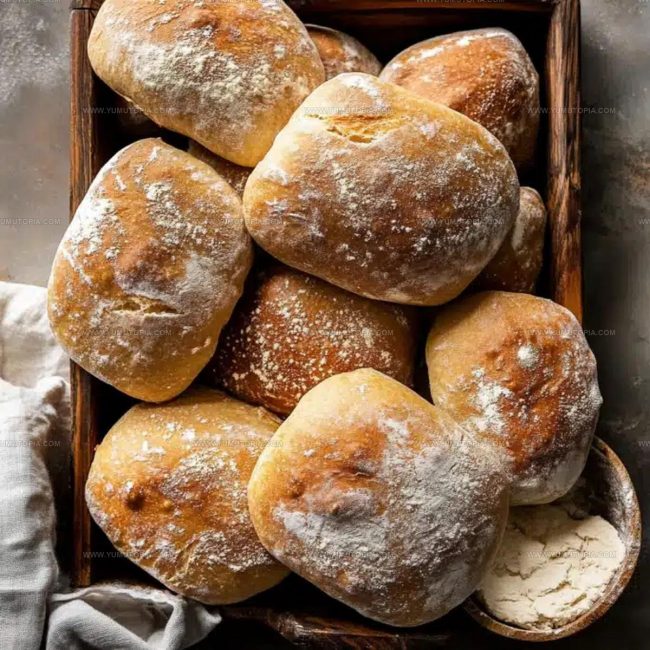
What Shapes The Crust And Airy Crumb In This Ciabatta
Dry Ingredients:Wet Ingredients:Yeast Mixture:Gear That Helps You Build Rustic Ciabatta Loaves
How to Bake Ciabatta Bread at Home in Easy Steps
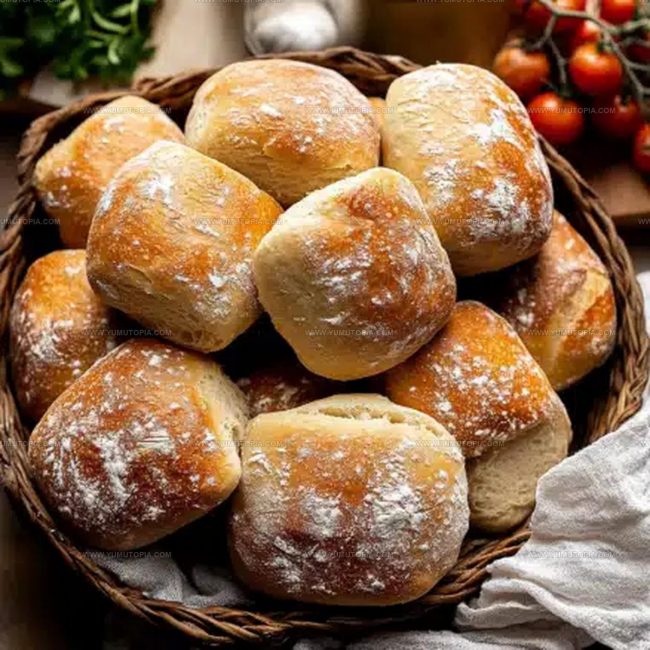
Activate the Yeast
Grab a small bowl and combine 1 teaspoon sugar and 1 teaspoon active dry yeast with ¼ cup warm water (about 110°F). Let the mixture sit for 5-10 minutes until it becomes super foamy and bubbly.
Mix the Dry Ingredients
In a large mixing bowl, whisk together 3 ½ cups all-purpose flour and 1 ¼ teaspoons salt. Make a well in the center and pour in:
Stir until a rough, shaggy dough forms.
Knead the Dough
Dump the dough onto a floured surface and start kneading. Work the dough for 10 minutes, adding a sprinkle of flour if your hands get too sticky. You’re looking for a smooth, stretchy texture that springs back when you poke it.
First Rise
Lightly oil a clean bowl and place your dough inside. Cover with a damp towel and let it rest in a warm spot for 1 to 1 ½ hours. The dough should puff up and double in size.
Shape the Bread
Gently press down the risen dough to release air bubbles. Stretch the dough into a rough rectangle on a floured surface, being careful not to deflate it completely.
Prepare for Baking
Transfer the shaped dough to a parchment-lined baking sheet. Let it rise again for 30-45 minutes. About 15 minutes before baking, preheat your oven to 475°F (245°C) and place a shallow pan of water on the bottom rack to create steam.
Bake the Ciabatta
Slide the baking sheet into the hot oven and bake for 25-30 minutes. The bread should turn a beautiful golden brown and sound hollow when you tap the bottom.
Cool and Serve
Remove the bread from the oven and let it cool on a wire rack for at least 30 minutes. This helps the interior set and makes slicing easier. Enjoy your homemade ciabatta with a crisp crust and soft, airy interior!
Little Enhancers For Better Rise And Flavor
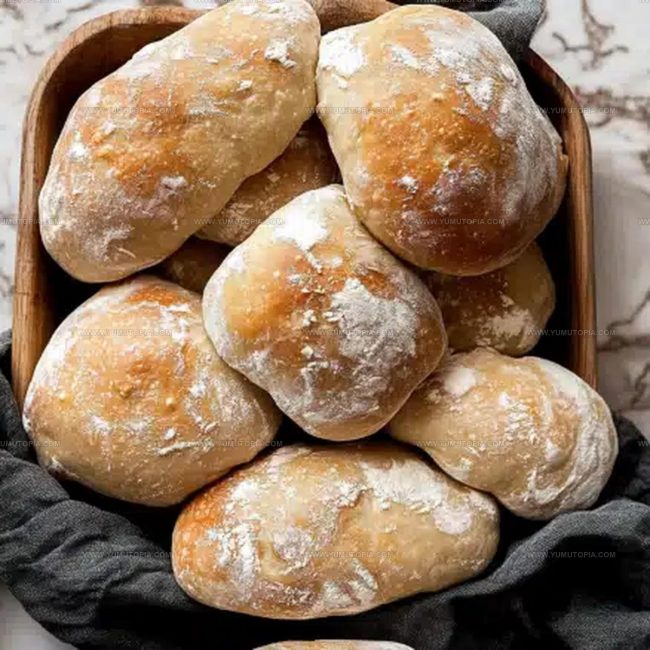
Paths For Reinventing Your Ciabatta Bread
Moments That Pair Beautifully With Fresh Ciabatta
How To Keep Ciabatta Light And Crisp
Ciabatta FAQs For Homemade Bread Explorers
What makes ciabatta bread different from other breads?
The holes and airy texture come from gentle handling and minimal kneading, which preserves the air bubbles during proofing and baking.
Can bread flour replace all-purpose flour?
Bread flour works perfectly – its higher protein content helps develop stronger gluten networks, creating those signature large holes in ciabatta.
Why does the recipe use such a hot oven temperature?
High heat creates steam and helps develop a crisp exterior while keeping the inside soft and chewy, giving authentic Italian bakery results.
Do temperatures matter when working with yeast?
Warm water around 110°F activates yeast without killing it. Too hot destroys the yeast, while cold water prevents proper fermentation.
What if my dough doesn’t rise properly?
Check yeast freshness, water temperature, and ensure a warm draft-free environment. Older yeast or cold spaces can slow down rising dramatically.
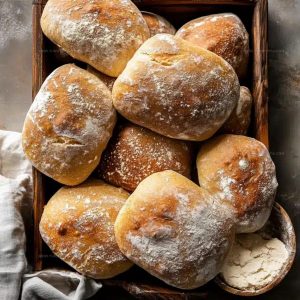
Rustic Ciabatta Bread Recipe
- Total Time: 2 hours 15 minutes – 2 hours 45 minutes
- Yield: 8 1x
Description
Ciabatta bread brings rustic Italian charm straight to your kitchen, with its crispy crust and tender interior that whispers comfort. Kneading this dough becomes a delightful dance of flour, yeast, and patience, creating a loaf that turns any meal into a memorable feast.
Ingredients
Bread Ingredients:
- 3 ½ cups all-purpose flour
- 1 ½ cups lukewarm water
Supporting Ingredients:
- 2 tablespoons olive oil
- ¼ cup warm water
Seasoning and Leavening:
- 1 ¼ teaspoons salt
- 1 teaspoon sugar
- 1 teaspoon active dry yeast
Instructions
- Dissolve 1 teaspoon sugar and 1 teaspoon active dry yeast in ¼ cup warm water (100-110°F). Watch the mixture become foamy in 5-10 minutes, which signals the yeast is activated.
- Combine 3 ½ cups all-purpose flour and 1 ¼ teaspoons salt in a large mixing bowl. Pour in the yeast mixture and 2 tablespoons olive oil, stirring until a rough, shaggy dough forms.
- Transfer the sticky dough onto a generously floured surface. Knead for 10 minutes, incorporating additional flour as needed to prevent excessive sticking. Your dough should become smooth and elastic.
- Lightly coat a clean bowl with olive oil. Place the dough inside, covering with a damp kitchen towel. Allow the dough to rise at room temperature (70-75°F) for 1-1.5 hours until it doubles in volume.
- Gently deflate the risen dough using your fingertips. Stretch and shape it into a rustic rectangular form on a flour-dusted surface.
- Line a baking sheet with parchment paper. Carefully transfer the shaped dough, maintaining its rectangular shape. Let it rise again for 30-45 minutes.
- Position an empty shallow metal pan on the bottom oven rack. Preheat the oven to 475°F (245°C). The steam pan will help create a crispy exterior.
- Once the dough has completed its second rise, slide the baking sheet into the preheated oven. Bake for 25-30 minutes until the bread achieves a deep golden-brown color.
- Remove the ciabatta and transfer to a wire cooling rack. Allow the bread to rest for 30-45 minutes before slicing to ensure proper texture and structure.
Notes
- Always use fresh, active dry yeast to ensure the bread rises properly and develops a light, airy texture.
- Handle the dough gently during shaping to preserve the delicate air bubbles that create ciabatta’s signature holes.
- Letting the dough rise in a warm, draft-free spot helps develop better flavor and texture.
- The steam pan in the oven is crucial for creating a crisp, golden crust that’s characteristic of authentic ciabatta bread.
- Prep Time: 20-25 minutes
- Cook Time: 25-30 minutes
- Category: Breads
- Method: Baking
- Cuisine: Italian
Nutrition
- Serving Size: 8
- Calories: 170 kcal
- Sugar: 0.5 g
- Sodium: 225 mg
- Fat: 3 g
- Saturated Fat: 0.4 g
- Unsaturated Fat: 2.6 g
- Trans Fat: 0 g
- Carbohydrates: 33 g
- Fiber: 1 g
- Protein: 5 g
- Cholesterol: 0 mg
Logan Lemaster
Founder & Culinary Innovator
Expertise
Recipe Development and Innovation, Menu Design and Optimization, Fine Dining Techniques, Ingredient Pairing and Flavor Science
Education
Metropolitan Culinary Arts Institute
Logan’s culinary journey kicked off in his vibrant Chicago family kitchen, where fresh, seasonal ingredients and bold flavors were always front and center.
After graduating from the Metropolitan Culinary Arts Institute in Arlington, Virginia, and honing his skills in renowned restaurants, Logan mastered the art of blending classic techniques with exciting, modern twists.
His kitchen is a dynamic lab for flavor exploration. Through Yum Utopia, Logan aims to empower you to cook with both confidence and creativity, turning simple ingredients into spectacular meals.