
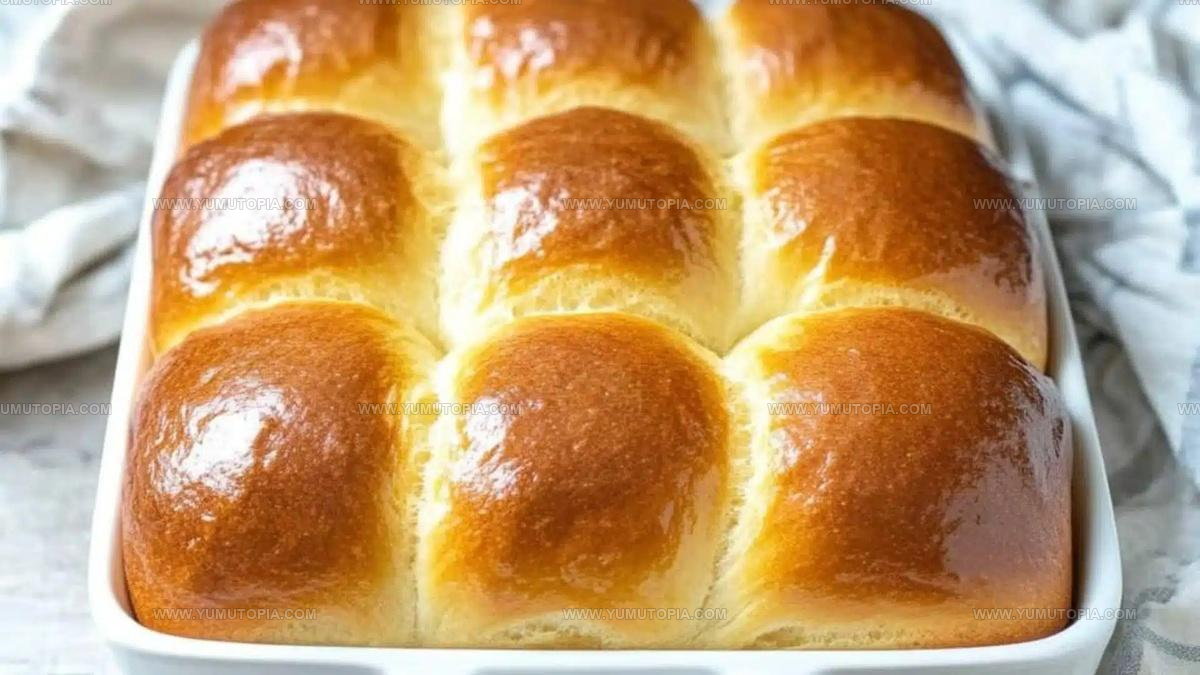
Condensed Milk Bread Rolls Recipe That Bake Up Soft

Soft condensed milk bread rolls have become a beloved choice for anyone who enjoys pillowy, slightly sweet baked treats that feel like a warm hug.
The gentle sweetness pairs beautifully with breakfast spreads, savory fillings, or even a simple pat of butter.
These rolls create moments of comfort whether served at brunch gatherings or enjoyed as an afternoon snack with tea.
The texture alone makes them stand out, they’re incredibly tender and practically melt in the mouth with each bite.
Friends who taste them often ask for the recipe because the flavor is both familiar and special at the same time.
Making a batch fills the kitchen with an aroma that draws everyone closer, creating anticipation before the first roll even reaches the table.
Baking something homemade like this shows care and always feels rewarding when you see happy faces around the table.
So check out the full recipe below and treat yourself to something wonderfully soft and satisfying.
Why You’ll Love Condensed Milk Bread Rolls
Elements That Give These Bread Rolls Their Signature Softness
Yeast Activation:Dry Ingredients:Wet Ingredients:Optional Finishing:Helpful Pieces For Mixing, Kneading, And Baking Fluffy Rolls
How to Bake Condensed Milk Bread Rolls
Activate the Yeast
Pour ¼ cup (60ml) warm water at 110°F (45°C) into a small bowl. Sprinkle 2 ¼ teaspoons (1 packet) active dry yeast over the water. Stir gently and let the mixture sit for 5-10 minutes until it becomes bubbly and frothy.
Mix the Dry Ingredients
Grab a large mixing bowl and combine these dry ingredients:
Create a small well in the center of these dry ingredients.
Create the Dough
Pour into the well:
Mix everything together until a sticky dough forms. Knead the dough for 7-10 minutes until it becomes smooth and elastic. The dough should feel soft and springy under your hands.
First Rise
Transfer the dough to a lightly greased bowl. Cover with a clean kitchen towel or plastic wrap. Let the dough rest in a warm spot for 1 to 1.5 hours, or until it doubles in size.
Shape the Rolls
Punch down the risen dough gently. Divide the dough into 12 equal portions. Roll each piece into a smooth ball. Arrange the rolls in a greased baking dish, leaving a small gap between each one.
Second Rise
Cover the rolls again and let them puff up for 30-45 minutes. Preheat your oven to 350°F (175°C) during this time.
Prepare for Baking
Brush the tops of the rolls with melted butter or egg wash for a beautiful golden color. This step adds a lovely shine to your rolls.
Bake the Rolls
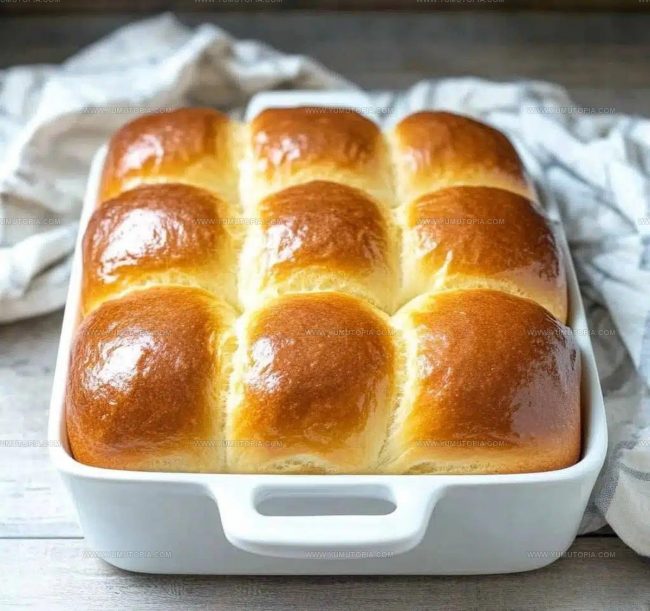
Slide the baking dish into the preheated oven. Bake for 18-22 minutes until the tops turn a rich golden brown. Check doneness by inserting a toothpick into the center of a roll – it should come out clean.
Cool and Serve
Remove the rolls from the oven and let them cool for a few minutes. These rolls are absolutely delicious when served warm, with a soft and tender texture that melts in your mouth.
Gentle Enhancements For More Buttery Sweetness
Flavor Paths To Explore In Future Bread Roll Batches
Moments That Suit These Soft Condensed Milk Rolls
Keeping Bread Rolls Pillowy After Baking
Common Questions About Condensed Milk Bread Rolls
Can I use instant yeast instead of active dry yeast?
Absolutely! When using instant yeast, skip the activation step. Simply mix the instant yeast directly with the dry ingredients and reduce the liquid temperature slightly.
What if the dough feels too sticky?
Don’t worry. Resist adding extra flour. Continue kneading, and the gluten will develop, making the dough smoother and less sticky. A bench scraper helps manage sticky dough easily.
How do I know the dough has risen enough?
The dough should double in size and feel puffy when gently pressed. A warm, draft-free spot helps perfect rising. Check after 1-1.5 hours.
Can these rolls be made ahead of time?
Definitely! Prepare the dough, do the first rise, shape the rolls, then refrigerate overnight. Let them come to room temperature and rise before baking.
Why did my rolls turn out dense?
Dense rolls often result from inactive yeast or overworking the dough. Ensure yeast is fresh and active, and knead just until smooth and elastic.
Can bread flour replace all-purpose flour?
Yes, bread flour works great. It has more protein, which creates a chewier texture. The rolls will be slightly more structured but still soft.
Soft Condensed Milk Bread Rolls Recipe
- Total Time: 2 hours 38 minutes – 2 hours 42 minutes
- Yield: 8 1x
Description
These condensed milk bread rolls melt in your mouth with their pillowy texture and rich, creamy sweetness. Warm from the oven, they’re the perfect companion to your morning coffee or afternoon tea, guaranteed to make your kitchen smell absolutely incredible.
Ingredients
Main Ingredients:
- 3 ½ cups all-purpose flour (420g)
- ½ cup sweetened condensed milk (120ml)
- ½ cup warm milk (120ml)
- 1 large egg
Supportive Ingredients:
- ¼ cup granulated sugar (50g)
- ¼ cup unsalted butter, softened (60g)
- ½ teaspoon salt
Activation Ingredients:
- 2 ¼ teaspoons active dry yeast (1 packet)
- ¼ cup warm water (about 110F / 45C)
Instructions
- Dissolve 2 ¼ teaspoons active dry yeast in ¼ cup warm water (110F/45C). Allow the mixture to foam for 5 minutes, confirming the yeast’s activation.
- Combine 3 ½ cups all-purpose flour, ¼ cup granulated sugar, and ½ teaspoon salt in a large mixing bowl. Create a center well for wet ingredients.
- Pour the yeast mixture, ½ cup warm milk, ½ cup sweetened condensed milk, 1 large egg, and ¼ cup softened butter into the flour well. Mix until a sticky dough forms.
- Knead the dough for 7 minutes using a stand mixer with a dough hook, or 10 minutes by hand on a floured surface until smooth and elastic.
- Transfer the dough to a greased bowl. Cover with plastic wrap and let rise in a warm location for 1-1.5 hours until doubled in size.
- Punch down the risen dough and divide into 12 equal portions. Roll each piece into a smooth ball.
- Arrange the dough balls in a greased 9×13 inch baking dish, leaving small gaps between rolls.
- Cover the rolls and let them rise again for 30-45 minutes until puffy and slightly expanded.
- Preheat the oven to 350F (175C). Brush roll tops with melted butter or egg wash.
- Bake for 18-22 minutes until golden brown and a toothpick comes out clean.
- Remove from the oven and let cool for 10 minutes before serving warm.
Notes
- Check yeast freshness by ensuring the mixture becomes frothy and bubbly, which indicates active fermentation and will help your rolls rise perfectly.
- Use room temperature ingredients like milk, egg, and butter to help create a smooth, consistent dough that develops beautifully.
- For softer rolls, brush with melted butter immediately after baking and cover with a clean kitchen towel to trap steam and keep them tender.
- Gluten-free bakers can substitute all-purpose flour with a high-quality gluten-free blend, but add xanthan gum for better texture and structure.
- Prep Time: 2 hours 20 minutes
- Cook Time: 18-22 minutes
- Category: Breads
- Method: Baking
- Cuisine: Western
Nutrition
- Serving Size: 8
- Calories: 177 kcal
- Sugar: 9 g
- Sodium: 115 mg
- Fat: 5 g
- Saturated Fat: 3 g
- Unsaturated Fat: 2 g
- Trans Fat: 0 g
- Carbohydrates: 28 g
- Fiber: 1 g
- Protein: 4 g
- Cholesterol: 27 mg
Logan Lemaster
Founder & Culinary Innovator
Expertise
Recipe Development and Innovation, Menu Design and Optimization, Fine Dining Techniques, Ingredient Pairing and Flavor Science
Education
Metropolitan Culinary Arts Institute
Logan’s culinary journey kicked off in his vibrant Chicago family kitchen, where fresh, seasonal ingredients and bold flavors were always front and center.
After graduating from the Metropolitan Culinary Arts Institute in Arlington, Virginia, and honing his skills in renowned restaurants, Logan mastered the art of blending classic techniques with exciting, modern twists.
His kitchen is a dynamic lab for flavor exploration. Through Yum Utopia, Logan aims to empower you to cook with both confidence and creativity, turning simple ingredients into spectacular meals.