
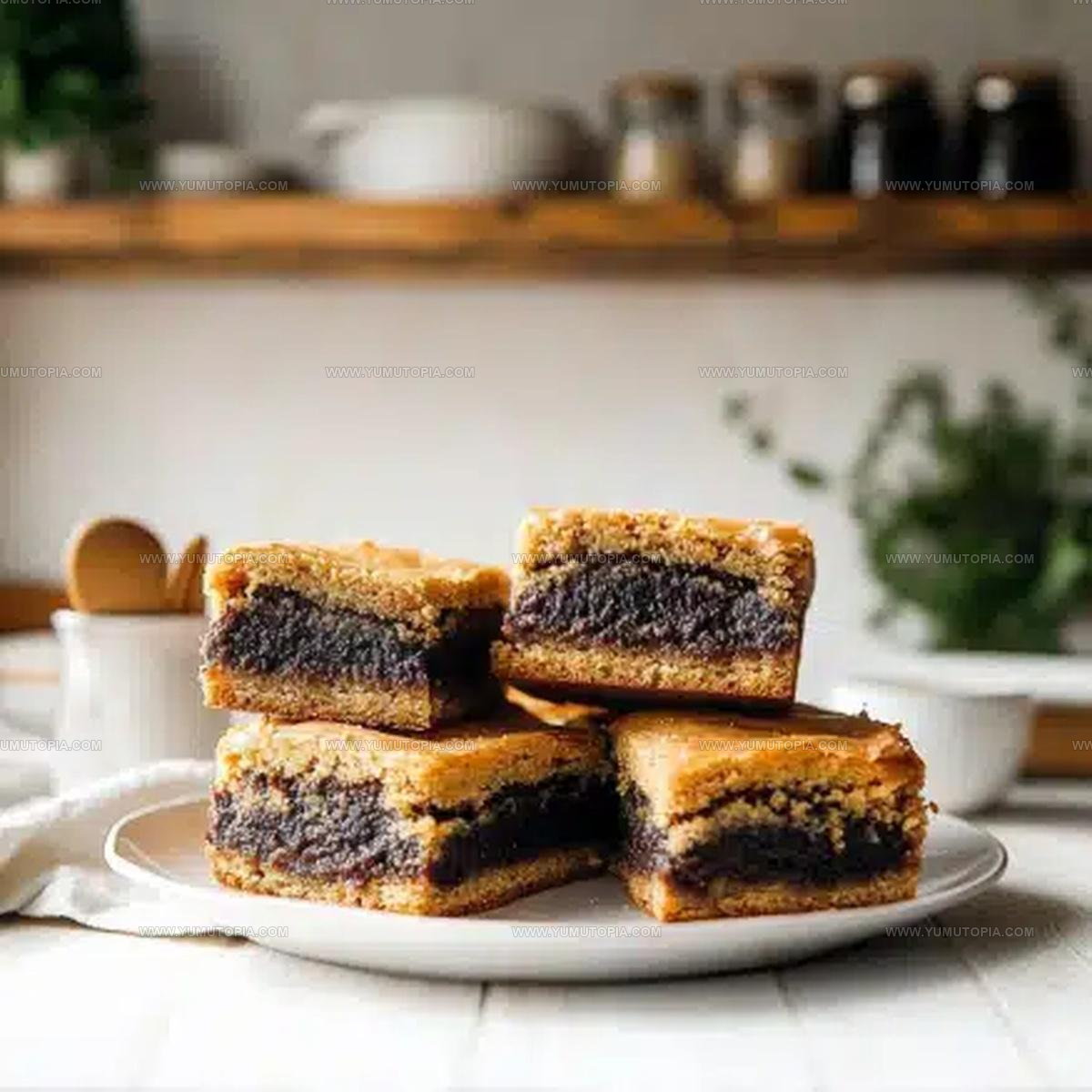
Fig Newton Cookie Recipe That’s Warm and Chewy

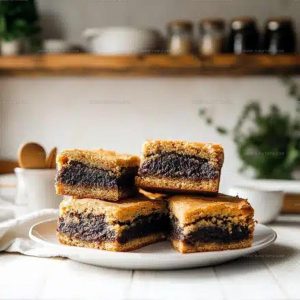
A warm Fig Newton cookie recipe brings back all the comfort of a beloved classic with a homemade touch that makes every bite special.
There’s something wonderful about creating a treat that feels both familiar and fresh at the same time.
The soft, chewy texture paired with naturally sweet filling creates a balance that appeals to anyone who loves a satisfying snack or dessert.
Perfect for afternoon tea, lunchbox surprises, or late-night cravings, these cookies work for practically any occasion you can think of.
The best part is how achievable this recipe feels, even if you haven’t spent much time in the kitchen lately.
Once you take that first bite, the warmth and flavor will remind you why homemade always beats store-bought.
Making a batch is easier than you might expect, and the results are absolutely worth it.
Why Should You Try Homemade Fig Newtons
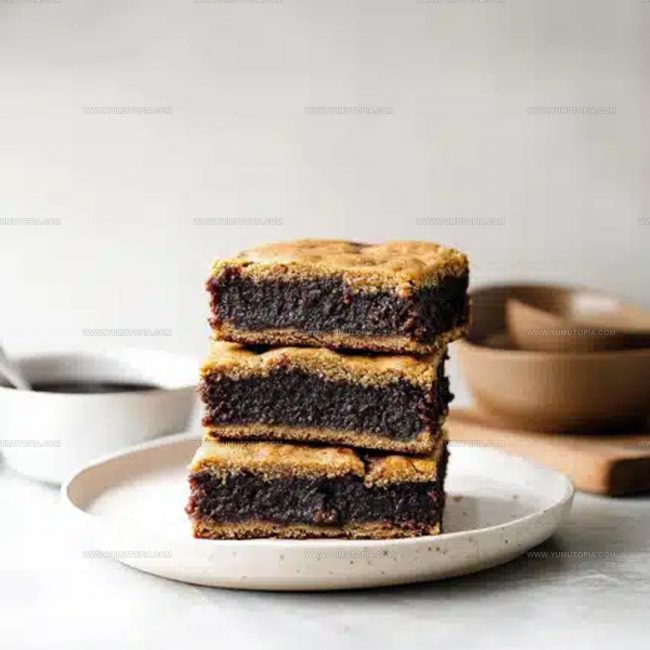
What Makes These Fig-Filled Cookies Special
Main Filling Ingredients:Spice and Flavor Enhancers:Cookie Dough Base:Tools That Simplify Dough Rolling And Filling
How to Bake Homemade Fresh Fig Newton Cookies
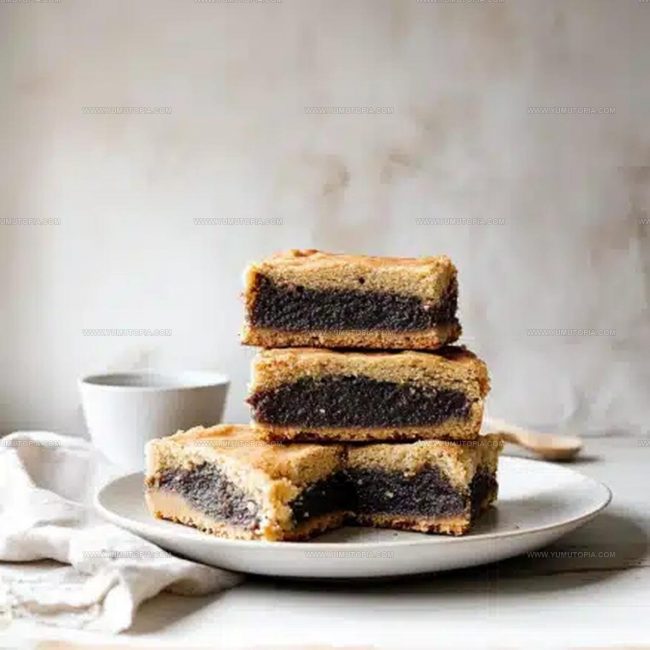
Prepare Fig Filling
Grab a small saucepan and toss in 1 ½ cups chopped fresh figs (around 12-15 figs), ¼ cup water, ¼ cup honey, 1 tablespoon lemon juice, ½ teaspoon ground cinnamon, ¼ teaspoon ground ginger, and ½ teaspoon vanilla extract. Cook this mixture over medium heat for 10-12 minutes, stirring occasionally. Your goal is getting the figs soft and the mixture thickened. Let the filling cool down to room temperature.
Mix Dry Ingredients
Take a medium bowl and whisk together 2 cups all-purpose flour, ½ teaspoon baking powder, and ¼ teaspoon salt. Set this dry mixture aside for now.
Cream Butter and Sugar
In a large bowl, beat ½ cup softened unsalted butter and ¼ cup packed brown sugar until the mixture looks light and fluffy. This should take about 3-4 minutes of mixing.
Add Wet Ingredients
Drop 1 large egg and 1 teaspoon vanilla extract into your butter mixture. Mix everything until completely combined.
Create Cookie Dough
Gradually add your dry ingredient mixture to the wet ingredients. Stir until a smooth dough forms.
Chill Dough
Split the dough into two equal portions. Wrap each piece in plastic wrap and park them in the refrigerator for at least 30 minutes. Chilling helps the dough firm up nicely.
Prepare for Baking
Heat your oven to 350°F (175°C). Line a baking sheet with parchment paper.
Shape Cookies
Carefully fold the dough sides over the filling, creating a log.
Slice and Bake
Cut the log into 1-inch pieces and place them on the prepared baking sheet. Repeat the process with the second dough portion and remaining fig filling. Bake for 12-15 minutes until golden brown. Cool the cookies on a wire rack before serving.
Tweaks For Extra Warm Spice Or Chewiness
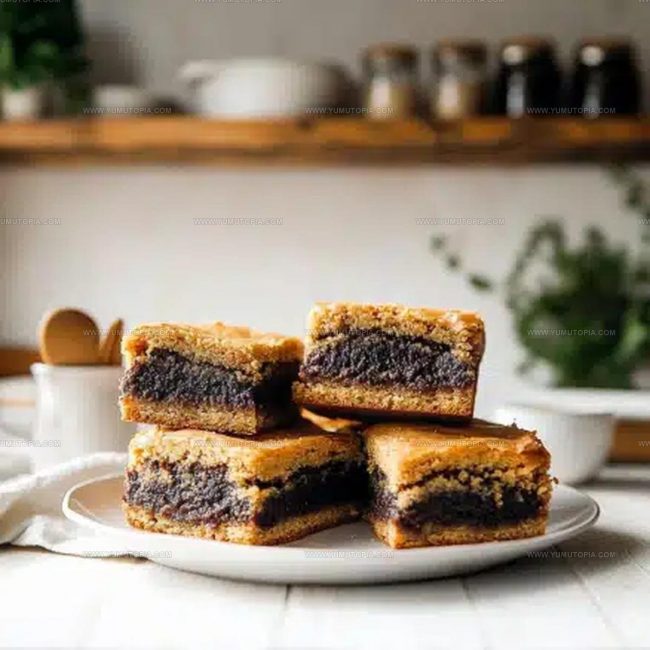
Creative Takes On Fig-Based Cookies
When Homemade Fig Newtons Shine Most
How To Keep Cookies Tender And Moist
Fig Newton FAQs For Memory-Filled Baking
What makes these fig newtons different from store-bought ones?
Homemade fig newtons have a fresher taste and real ingredients. The filling is made from scratch with fresh figs, giving a richer and more authentic flavor compared to processed versions.
Do the cookies freeze well?
These fig newtons freeze beautifully. Wrap them tightly in plastic wrap, then place in a freezer bag. They’ll stay delicious for about 3 weeks when stored properly.
Can whole wheat flour work in this recipe?
Absolutely! Swap half the all-purpose flour with whole wheat flour. The cookies will have a slightly nuttier flavor and more dense texture.
How ripe should the figs be?
Select figs that are soft but not mushy. Ripe figs with a deep color and slight give when gently pressed work best for creating a rich, sweet filling.
Are these fig newtons gluten-free?
Unfortunately, this specific recipe contains wheat flour. To make them gluten-free, replace all-purpose flour with a gluten-free blend and add a bit of xanthan gum for better texture.
What if fresh figs are not available?
No problem! Use dried figs instead. Rehydrate them in hot water for 10 minutes before chopping and cooking into the filling.
Warm Fig Newton Cookie Recipe
- Total Time: 1 hour 7 minutes – 1 hour 17 minutes
- Yield: 8 1x
Description
Homemade Fresh Fig Newton treats bring childhood memories flooding back with their delicate sweetness and nostalgic charm. These tender cookies pack rich fig filling between buttery, crumbly layers that taste exactly like the classic snack we all adored.
Ingredients
Main Ingredients:
- 2 cups all-purpose flour
- 1 ½ cups fresh figs, chopped
- ½ cup unsalted butter, softened
- 1 large egg
Filling and Sweeteners:
- ¼ cup honey or maple syrup
- ¼ cup brown sugar, packed
- ¼ cup water
- ¼ cup orange juice
Spices and Flavor Enhancers:
- 1 tablespoon lemon juice
- 1 teaspoon vanilla extract
- ½ teaspoon ground cinnamon
- ½ teaspoon baking powder
- ¼ teaspoon ground ginger
- ¼ teaspoon salt
Instructions
- Crush 12-15 fresh figs into small pieces, combining them with water, honey, lemon juice, cinnamon, ginger, and vanilla extract in a saucepan. Simmer at medium heat for 10-12 minutes until the mixture becomes thick and jam-like, stirring occasionally. Allow the filling to cool completely.
- Mix 2 cups all-purpose flour, ½ teaspoon baking powder, and ¼ teaspoon salt in a medium bowl until well combined.
- Cream ½ cup softened unsalted butter with ¼ cup packed brown sugar for 3-4 minutes until the mixture appears light and airy.
- Incorporate 1 large egg and 1 teaspoon vanilla extract into the butter mixture, blending until smooth.
- Gradually fold the dry flour mixture into the wet ingredients, creating a consistent dough that holds together easily.
- Separate the dough into two equal portions, wrapping each section in plastic wrap. Refrigerate for 30 minutes to help the dough firm up and become more manageable.
- Heat your oven to 350F (175C) and line a baking sheet with parchment paper, ensuring a clean cooking surface.
- Roll out the first dough portion on a floured surface, creating a thin rectangle approximately 1/8-inch thick. Spread half the fig filling down the center, leaving space on the edges.
- Carefully fold the dough edges over the filling, forming a sealed log. Slice the log into 1-inch segments and arrange them on the prepared baking sheet.
- Repeat the rolling, filling, and slicing process with the second dough portion and remaining fig mixture.
- Bake the cookies at 350F (175C) for 12-15 minutes until they turn golden brown. Transfer to a wire rack for complete cooling before serving.
Notes
- Fresh figs are seasonal, so frozen or dried figs work great as substitutes when fresh aren’t available.
- For a gluten-free version, swap traditional flour with a cup-for-cup gluten-free blend to maintain the same tender texture.
- Chilling the dough is crucial for preventing spreading and helping the cookies hold their shape during baking.
- A silicone baking mat can replace parchment paper and helps ensure even browning of the cookies.
- Prep Time: 45-50 minutes
- Cook Time: 22-27 minutes
- Category: Cookies
- Method: Baking
- Cuisine: American
Nutrition
- Serving Size: 8
- Calories: 144 kcal
- Sugar: 12 g
- Sodium: 72 mg
- Fat: 6 g
- Saturated Fat: 3.7 g
- Unsaturated Fat: 2 g
- Trans Fat: 0.1 g
- Carbohydrates: 21 g
- Fiber: 1.5 g
- Protein: 2 g
- Cholesterol: 27 mg
Madison Wyman
Recipe Developer & Food Storyteller
Expertise
Recipe Research and Adaptation, Food Writing and Cultural Storytelling, Sustainable and Ethical Sourcing, Dietary Adaptations (e.g., gluten-free, plant-based)
Education
Oregon Health & Science University
Portland Community College
Madison’s passion for flavor and culture ignited amidst the rich Southern cooking traditions of her upbringing, where cherished family recipes told delicious tales.
Armed with a Master’s in Food Systems and Society from Oregon Health & Science University and a Culinary Arts Certificate from Portland Community College, Madison truly excels at transforming rich, intricate flavors into dishes that are both approachable and heartfelt.
For her, cooking is a vibrant blend of science, art, and heritage – a powerful way to connect us to our roots and each other. Her recipes invite you to delve deeper, uncovering the fascinating stories woven into every ingredient.